Stories
Tata's Global Reputation at Risk: Infighting and Regulatory Scrutiny Challenge Brand India

- •The recent internal disputes and public litigation within Tata have significantly impacted its global reputation, shifting perceptions from solidity and nation-building to infighting and legal battles.
- •International financial media, including The Wall Street Journal and The Economist, have highlighted the turmoil, using language that suggests a departure from Tata's historical image of trust and social welfare.
- •The uncertainty has affected the market, with share prices of several Tata companies declining, raising concerns among overseas investors about Indian corporate governance.
- •The dispute over ownership and control, particularly between Tata Sons' professional management and its controlling charitable trusts, is being closely watched by global financial markets.
- •The ongoing conflict could damage "Brand India" by deterring foreign investment, as Tata has historically served as a reference brand for clean, purpose-led capitalism.
Key Questions Answered
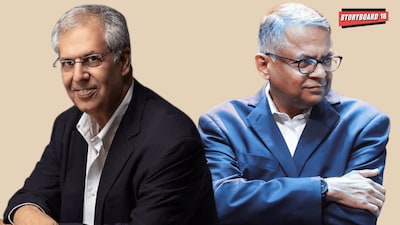
The dispute centers on N Chandrasekaran's reappointment as chairman of Tata Sons, which the board approved on September 17 despite opposition from Noel Tata, the chairman of Tata Trusts who dissented as the controlling shareholder. The conflict also involves disagreements over regulatory listing directives and the interpretation of the company's Articles regarding board authority versus a two-thirds majority stakeholder.
Major financial publications like The Wall Street Journal, The Economist, and the Financial Times have shifted their vocabulary from stewardship and nation-building to infighting, legal nullity, and war. Outlets noted that the friction pulled down share prices across several of the group's listed companies and could damage India's reputation for attracting foreign investment.
Tata Trusts own roughly two-thirds (about 66%) of Tata Sons, holding their controlling stake in charitable trusts rather than accumulating private billionaire wealth. Dividends from this structure help fund extensive health, education, and social programs, serving historically as India's reference brand for purpose-led capitalism.