Stories
India Weak Monsoon Ends With 13% Deficit Threatening Agriculture Through 2027
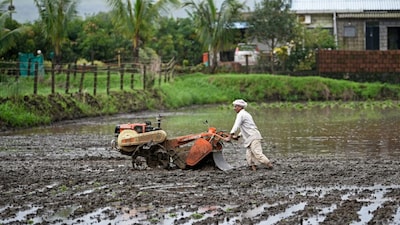
- •India's four-month monsoon season concluded with an 87 percent long-period average rainfall and reservoir storage standing at just 71.8 percent of capacity.
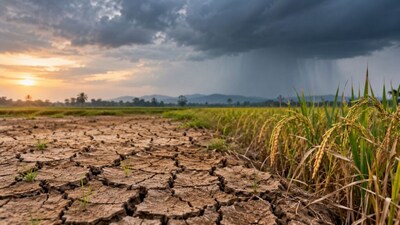
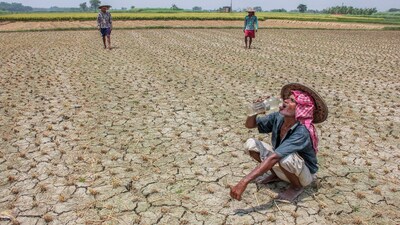
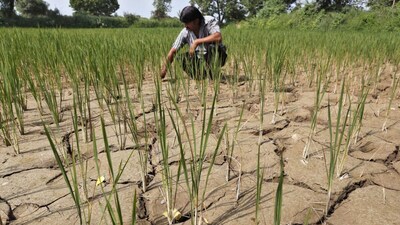
- •Western and southern regions including Andhra Pradesh and Maharashtra have suffered severe crop damage affecting cotton, paddy, and soybean yields.
- •Low soil moisture levels threaten upcoming Rabi season crops like wheat and mustard, with potential impacts extending into the next monsoon and 2027.
- •Comfortable Food Corporation of India wheat and rice stocks provide a buffer against inflation, though deficits in pulses, oilseeds, and cotton pose policy challenges.
- •Global supply constraints and domestic fertilizer dependencies limit the government's ability to rely on imports to bridge agricultural shortfalls.
Key Questions Answered
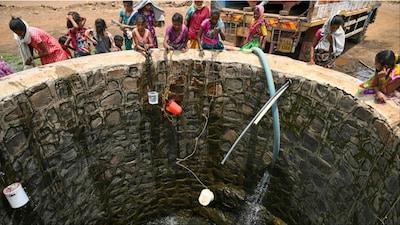
India's four-month monsoon season concluded with an 87% rainfall deficit relative to the long-period average. Furthermore, reservoir storage capacity stood at 71.8% as of October 1, which was significantly lower than the normal level of nearly 82% and down from 90.3% the previous year.
Despite agricultural losses, the government maintains a comfortable buffer stock managed by the Food Corporation of India, holding roughly 44 million tonnes of wheat and nearly 55 million tonnes of rice to stabilize domestic prices. However, risks remain for commodities lacking similar stockpiles, such as pulses, edible oils, and cotton.
The International Research Institute for Climate and Society forecasts that a very strong El Nino event will persist through the 2026-27 winter, with a 100% probability continuing through February 2027. This extended phenomenon is anticipated to drive elevated climate risks, potentially impacting post-monsoon rain, soil moisture, and subsequent agricultural yields.