Stories
Nepal Floods Expose Dangerous Risks of Unsafe Disaster Resettlement

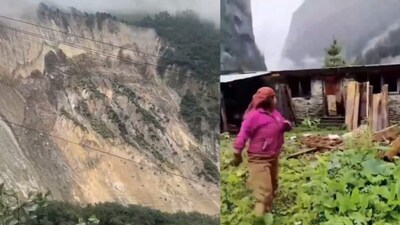
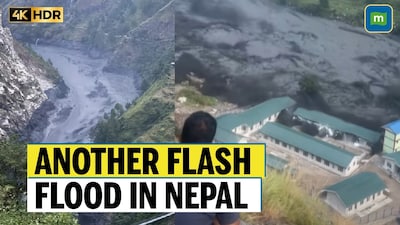
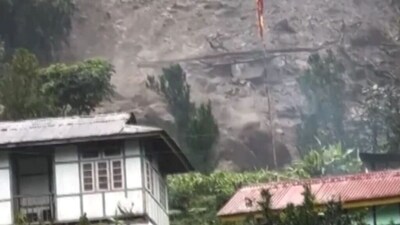
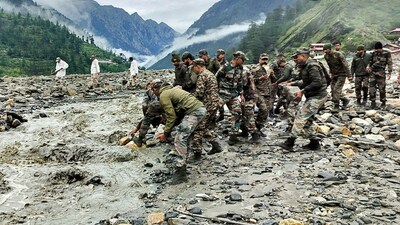
- •Khalte village in Nepal's Rasuwa district was wiped out by a devastating flash flood on August 26, leaving at least 375 people reported missing by residents.
- •The village had been established as a temporary settlement after the 2015 earthquake, despite geological assessments classifying the area as a red zone for landslide and avalanche risks.
- •Survivors and displaced residents emphasize that future government relocation plans must prioritize permanent safety, basic services, and sustainable livelihoods rather than moving them to equally vulnerable areas.
- •Nepal's National Disaster Risk Reduction and Management Authority plans to identify safe land for new settlements, build a dedicated city for flood victims, and declare flood-prone zones uninhabitable.
- •Scientists warn that rising temperatures and unstable mountain landscapes in Nepal's remote valleys make enhanced environmental monitoring and stronger early-warning systems critical for the future.
Key Questions Answered
Khalte village was set up as a temporary settlement after the 2015 earthquake, but its location along the Trishuli River in a narrow valley offered little protection. On August 26, surge floodwaters swept through the area, wiping out the village and leaving at least 375 people reported missing by residents.
Following the 2015 earthquake that destroyed villages nationwide, about 257 vulnerable households were relocated to Khalte under a government plan. Later geological assessments classified the area as a red zone due to severe landslide and avalanche risks.
Nepal's government plans to build a new city for flood victims equipped with industries, hospitals, and schools, ensuring displaced residents are not sent back to destroyed settlements. Authorities are identifying safe land for new settlements and considering involving private developers in reconstruction.