Stories
Can Early-Warning Systems Save Himalayan Towns from Natural Disasters?
- •A study on a Nepal flood tracing the warning chain revealed that while public alerts were issued in under 40 minutes, the flood wave reached the first settlement in mere minutes, highlighting that technically accurate warnings can still arrive too late.
- •Mountain hazards such as flash floods, landslides, and earthquakes operate on drastically different timescales compared to cyclones, often leaving only seconds or minutes to take protective action.
- •Researchers have developed rainfall-based landslide forecasting systems providing lead times ranging from several hours to days, though turning forecasts into reliable site-specific warnings remains a major challenge.
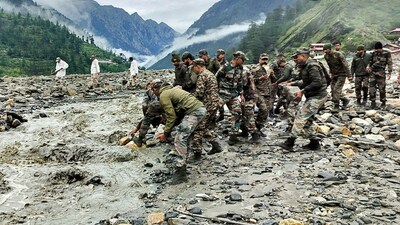
- •The South Lhonak GLOF disaster in Sikkim demonstrated that manual warnings issued by frontline outposts like the ITBP can successfully save lives when automated sensors fail.
- •Government initiatives such as the National GLOF Risk Mitigation Programme and multi-hazard alerting platforms like SACHET are actively working to expand monitoring and communication networks across the Himalayas.
Key Questions Answered
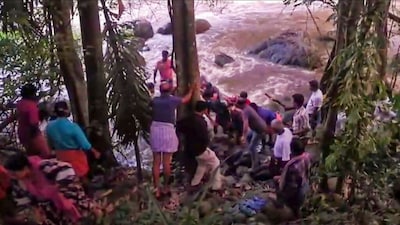
On August 26, 2026, an ice-rock mass broke away from the northern flank of the Langtang massif in Nepal, blocking the Lhende Khola and triggering a destructive flood along the corridor. The disaster resulted in massive casualties, with combined death tolls surpassing a thousand and thousands remaining missing across Nepal and China.
Mountain hazards trigger very quickly, leaving only seconds or tens of seconds to take action. Flash floods move faster than the monitoring sensors can handle, and warnings often arrive too late because the time difference between the cause and effect of the hazard can be less than an hour.
Government agencies are establishing sensor-based and satellite-linked early-warning systems, such as the proof-of-concept GLOF system at Sissu and Uttarakhand's Earthquake Early Warning System. Additionally, the National Disaster Management Authority finalised a 10-point GLOF monitoring plan, and Himachal Pradesh has identified vulnerable glacial lakes for targeted sensor deployment.