Stories
Moscow's Secrecy on Suspected Plague Echoes Soviet-Era Cover-Ups

N
News18•08-10-2026, 20:30
Moscow's Secrecy on Suspected Plague Echoes Soviet-Era Cover-Ups
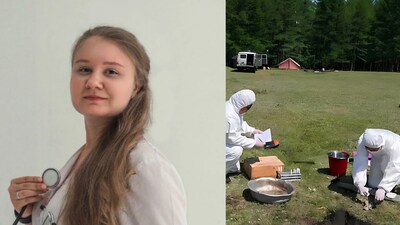
- •The suspicious death of a Siberian research lab worker from severe pneumonia has raised global concerns about a potential pneumonic plague case.
- •Russia's public health watchdog denied any plague cases and stated the worker's illness was of unknown origin, prompting the WHO to request more information.
- •This incident reflects a long-standing pattern of government secrecy in Moscow regarding health emergencies, mirroring Soviet-era tactics.
- •Historical examples of censorship include the 1959 smallpox outbreak, the 1971 Aral Sea bioweapon accident, and the 1979 Sverdlovsk anthrax leak.
- •Major disasters like the 1986 Chernobyl meltdown and underreported COVID-19 death tolls further highlight Moscow's history of manipulating official narratives.
Key Questions Answered
Russian public health watchdog Rospotrebnadzor reported that the 28-year-old lab worker died from pneumonia of an unknown origin, stating that tests found no evidence linking her illness to pathogens from her workplace.
Russia’s public health watchdog informed the World Health Organisation that no plague cases have been registered in the Irkutsk region, while maintaining a history of official secrecy and tersely worded statements regarding public health emergencies.
Historical cover-ups include the 1959-60 Moscow smallpox outbreak, the 1971 Aral Sea smallpox bioweapon accident, the 1979 Sverdlovsk anthrax leak, the 1986 Chernobyl nuclear disaster, and understated initial figures during the COVID-19 pandemic.