Stories
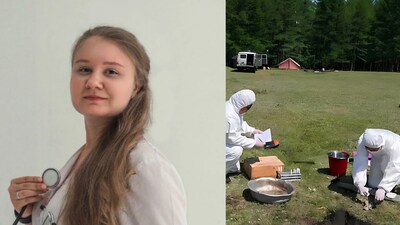
Russia's Secret Siberian Lab Under Scrutiny After Researcher's Sudden Death

- •The mysterious and sudden death of researcher Darya Shipilova at a top Siberian anti-plague institute has alarmed global scientists.
- •Russia continues high-security research on the deadly plague bacteria despite the disease being largely eradicated worldwide.
- •Siberia's extreme cold and isolated terrain have made it a stronghold for secret biological research since the Soviet era.
- •Scientists warn that global warming could melt permafrost and revive ancient, buried bacteria and viruses.
- •The incident highlights the ongoing debate and dangers surrounding biological research labs and potential pathogen leaks.
Key Questions Answered
Russia continues plague research because the bacteria (Yersinia pestis) can mutate over time, and the country aims to maintain foolproof preparations against potential biological weapons and unknown future pandemics. Additionally, melting permafrost due to global warming raises concerns that ancient buried pathogens could resurface.
The Anti-Plague Institute is a secret and high-security research facility located in the isolated and freezing terrain of Siberia where research on the world's most dangerous and deadly diseases takes place. This remote location was chosen because any accidental leak would not immediately reach the general population.
Global concern was triggered by the suspicious and sudden death of Darya Shipilova, a female researcher working at the premier anti-plague research institute in Siberia. This incident has alarmed medical experts worldwide regarding the safety standards and potential dangers associated with biological research laboratories.