Stories
EU Unveils New Arctic Strategy Amid Rising Security Threats and Climate Change

- •The European Union has introduced a new plan to strengthen its presence in the Arctic to address escalating security threats, climate change, and resource competition.
- •European Commission President Ursula von der Leyen emphasized the need to change the EU strategic posture as regional stability and territorial integrity face new challenges.
- •The EU plans to establish a cable monitoring center and a Maritime Security Hub to protect critical infrastructure, track illicit Russian shadow fleet vessels, and combat illegal fishing.
- •The bloc intends to boost its fleet of icebreaker ships and improve transport connections linking European infrastructure to Arctic trade networks.
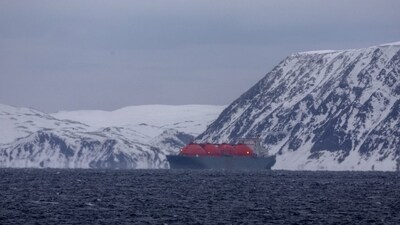
- •The EU stated it does not plan to claim the Arctic, drill for oil or gas, or buy fossil fuels extracted from the region.
Key Questions Answered
The European Union introduced its new Arctic plan on Tuesday, October 20, 2026, to counter mounting security threats, global warming, and geopolitical competition from Russia, China, and the United States. This action follows threats from US President Donald Trump regarding Greenland and concerns over Russian military buildups and shadow fleet activities.
The EU intends to help establish a cable monitoring centre equipped with cameras, sensors, and satellites to protect and repair critical undersea communications infrastructure. Additionally, the European Commission plans to support a sovereign submarine cable connecting Greenland directly to the EU, alongside building up its icebreaker fleet.
The EU maintains its ambition to keep fossil fuels in the ground and refuses to purchase oil, coal, or gas extracted from the Arctic, including from Norway. However, reports indicate the bloc is dropping its push for a global international ban on new drilling amid shifting geopolitical pressures.