Stories
WTO to Review EU Carbon Border Mechanism After Russia's Challenge

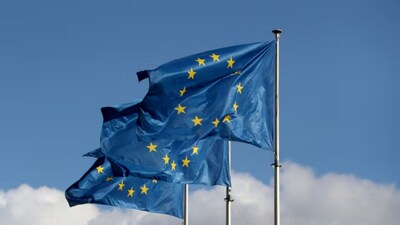
- •The WTO's Dispute Settlement Body agreed to establish a panel to examine Russia’s challenge to the EU’s Carbon Border Adjustment Mechanism (CBAM) and an alleged export subsidy linked to the EU’s emissions trading system.
- •Russia argues that the EU’s CBAM creates significant trade barriers and that the allocation of emissions allowances under the EU’s Emissions Trading System (ETS) acts as an export subsidy.
- •The EU rejected Russia’s allegations, asserting that both CBAM and ETS comply with WTO rules, and committed to participating in the proceedings to support the rules-based multilateral trading system.
- •The case, DS639, has garnered significant interest, with 19 other WTO members, including China, India, and the United States, reserving rights to participate as third parties.
- •The meeting also highlighted the ongoing deadlock over the WTO’s Appellate Body, with Colombia presenting the 100th proposal to fill vacancies, which the United States again opposed due to fundamental concerns about the dispute settlement system.
Key Questions Answered
Russia argues that the EU's Carbon Border Adjustment Mechanism (CBAM) creates significant trade barriers and alleges that emissions allowance allocations under the EU Emissions Trading System act as an unfair export subsidy for European industries.
Numerous WTO members have reserved their rights to participate as third parties, including Argentina, Brazil, Canada, China, India, Indonesia, Japan, Saudi Arabia, South Korea, Malaysia, Norway, Paraguay, Singapore, Switzerland, Chinese Taipei, Thailand, the United Kingdom, and the United States.
Colombia introduced a joint proposal on behalf of 130 members for the 100th time to fill Appellate Body vacancies, but the United States opposed it, stating it does not resolve Washington's core concerns regarding the dispute settlement system.