Stories
Delhi Experts Flag Rising GI Cancer in Youth and Link to Air Pollution

- •Doctors at Sir Ganga Ram Hospital in Delhi have reported gastrointestinal cancer patients as young as 15 years old, raising alarms.
- •Experts are calling for India-specific research to investigate the potential contribution of air pollutants like PM2.5 and ground-level ozone to cancer risks.
- •International studies have linked long-term exposure to air pollutants with higher cancer mortality, though direct causation is yet to be established.
- •Medical professionals stress that factors like family history, genetics, diet, lifestyle, and environmental exposures require comprehensive investigation.
- •Union Health Secretary Punya Salila Srivastava emphasized that addressing the cancer burden demands a strong focus on prevention, early diagnosis, and public awareness.
Key Questions Answered
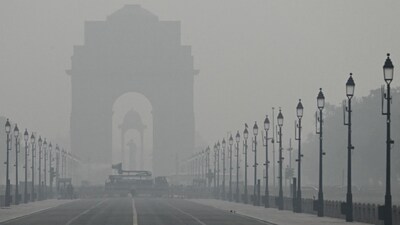
Experts note that rising air pollution, including fine particulate matter and ground-level ozone, has prompted calls for India-specific research into cancer risks. While studies show associations between long-term pollutant exposure and higher mortality or overall cancer risk, researchers emphasize that these findings establish associations rather than direct causation.
Doctors at Sir Ganga Ram Hospital have reported seeing new gastrointestinal cancer patients as young as 15 years old in their OPDs, a phenomenon that was uncommon five years ago.
A study published in Epidemiologic Reviews found that long-term PM2.5 exposure is associated with higher mortality from gastrointestinal cancers, particularly colorectal cancer. Additionally, a study in Nature Health reported links between increased exposure to PM2.5, nitrogen dioxide, and ozone with higher overall cancer risk, though findings were not specific to GI cancers and did not prove direct causation.