Stories
India's Power Grid: Time to Plan for Network, Not Just Power
- •India's Resource Adequacy Planning Framework mandates ten-year plans for distribution licensees, focusing on generation capacity and procurement contracts.
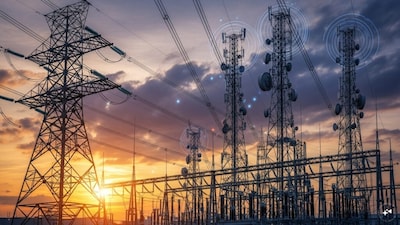
- •The current framework primarily tests power contracting, not the network's ability to deliver it, a distinction becoming critical due to evolving energy landscape.
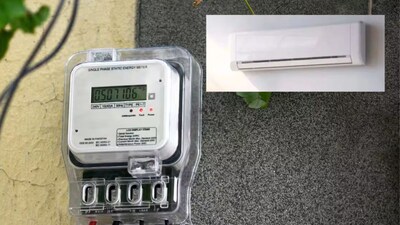
- •Three key developments are changing the picture: the rise of rooftop solar, projected increase in per capita consumption (air-conditioning, EV charging), and massive load from AI data centers.
- •While central policy has begun to respond, network capability is often funded as a consequence of other objectives rather than planned for proactively.
- •A proposed network adequacy plan, mirroring the existing resource adequacy plan, could ensure infrastructure readiness, with a dedicated funding route to follow.
Key Questions Answered
Notified in June 2023, the framework requires every distribution licensee to prepare a ten-year plan, get it vetted by the Central Electricity Authority, and file it with its state commission, demonstrating firm tie-ups for full first-year and ninety percent of second-year requirements.
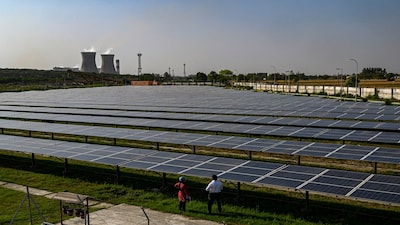
With over 40 lakh systems installed under PM Surya Ghar by July 2026 serving close to 48 lakh households, rooftop solar has moved from margin to scale, introducing generators connected directly at the consumer end of the network rather than the grid end.
The scheme targeted a pan-India AT&C loss level of 12 to 15 percent by 2024-25, and the figure tabled in Parliament for that year reached 15.04 percent, which was a significant drop from 21.91 percent in 2020-21.