Stories
How Trains Get Electricity: The Secret Behind Fans, ACs, and Charging Points
- •Electricity for lights, fans, and mobile charging comes directly from overhead wires, generator cars, and batteries fitted beneath the coaches.
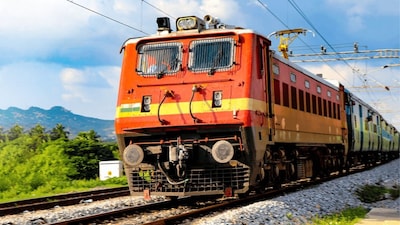
- •Electric trains use a roof-mounted device called a pantograph to receive high-voltage electricity from overhead power lines.
- •Diesel trains operate through the End-On-Generation system using special diesel generator cars attached to both ends to supply power.
- •Alternators connected to train wheels and battery banks beneath the coaches ensure continuous power supply even when the train stops.
Key Questions Answered
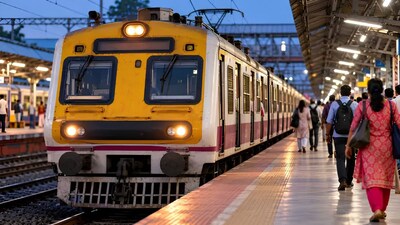
Electric trains use a metal device called a pantograph mounted on the engine's roof to receive electricity from high-tension overhead wires. This high-voltage electricity is stepped down by the engine to power lights, air conditioning, and charging hubs across the coaches.
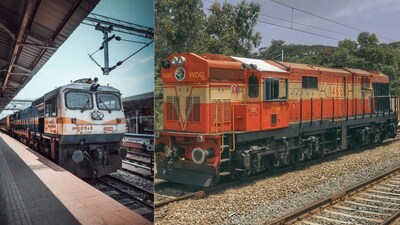
Diesel trains operate through the End-On-Generation system using special diesel generator cars, also known as power cars, attached to both ends of the train. These generators supply electricity to operate the lights, fans, and AC units throughout the journey.
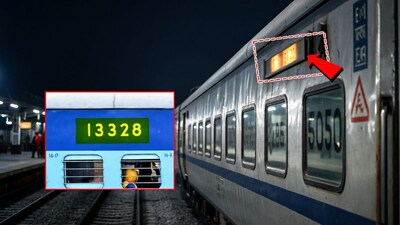
When the train is moving, the rotation of the wheels drives an alternator that converts mechanical energy into electrical energy. This electricity is stored in a battery bank beneath the coach to keep lights and fans running when the train stops or the engine is turned off.