Stories
Zelenskyy: Putin Dropped Air-Strike Restrictions, Intensifying Ukraine War
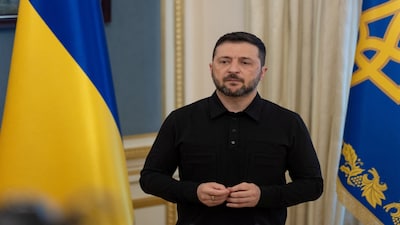
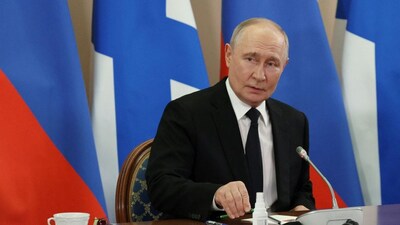
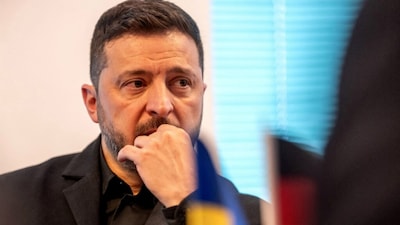
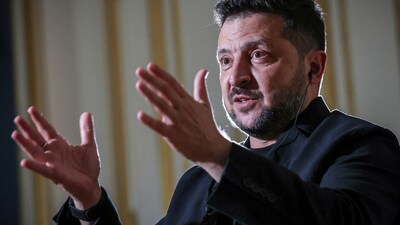
- •Ukrainian President Volodymyr Zelenskyy claims Vladimir Putin ordered military leaders in September to remove restrictions on air campaigns, citing intercepted intelligence.
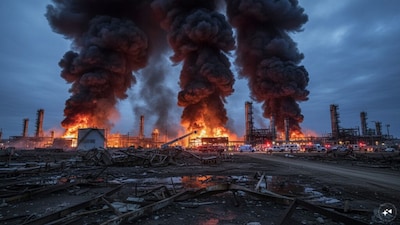
- •Zelenskyy stated that the alleged order led to an intensification of Russian aerial attacks, increasingly targeting civilian infrastructure like schools, hospitals, and data centers.
- •The new Russian air campaign reportedly includes faster jet-powered drones, challenging Ukraine's air-defense systems, with Ukraine destroying only about 57% of them compared to 85%-90% of conventional drones.
- •Ukraine is developing high-speed interceptor drones and seeks to perform more F-16 maintenance domestically to counter the new threats.
- •The reported shift in Russia's air strategy coincides with heightened tensions between Moscow and NATO, including Russian warnings about using its full arsenal if Kaliningrad is isolated.
Key Questions Answered
Ukrainian President Volodymyr Zelenskyy stated that Russian President Vladimir Putin ordered military leaders to drop previous restrictions governing air campaigns, reportedly declaring that "there are no rules now". This shift has involved intensified attacks on civilian infrastructure such as schools, hospitals, telecommunications facilities, and data centres.
Russia has launched hundreds of drones against Ukraine, including faster jet-powered variants that challenge existing air-defence systems. In response, Ukraine is developing and testing five models of high-speed interceptor drones, with the potential to produce about 400 units of one model by the end of October. While US-made F-16 fighter jets have also proven effective against these drones, about half of Ukraine's F-16 fleet is currently in Europe for maintenance.
Russia issued a diplomatic warning stating it would be prepared to use its full arsenal, including nuclear weapons, if NATO attempts to isolate the Russian exclave of Kaliningrad. President Vladimir Putin further clarified that a direct attack on Russia or Kaliningrad would place the use of all available weapons on the agenda. Meanwhile, NATO Secretary-General Mark Rutte described the alliance as defensive and urged Moscow to halt its nuclear threats.