Stories
US, Canada, Mexico Divisions Pave Way for Chinese Auto Influx
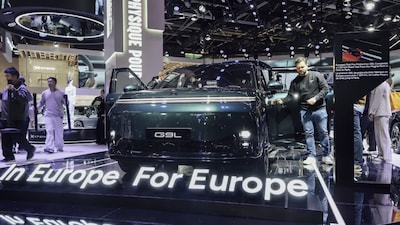
- •China's auto industry is rapidly expanding its North American presence, leveraging trade policy divisions between the US, Canada, and Mexico.
- •Mexico has become a key gateway, with Chinese-made vehicles accounting for one in five cars sold and significant increases in auto-parts imports, some of which are re-exported to the US as 'Made in Mexico' vehicles.
- •Canada has opened another route, agreeing to import up to 49,000 Chinese electric vehicles annually, rising to 70,000 in five years, creating a potential entry point while the US maintains tighter restrictions.
- •Disagreements during the USMCA review highlight the lack of a common trade policy, with US-Mexico trade agreements stalled and US-Canada relations marked by tariffs.
- •Security concerns are rising over Chinese-linked vehicle technology, data collection, and surveillance risks, with the US implementing restrictions not mirrored by Canada and Mexico, creating a fragmented regional approach.
Key Questions Answered
Mexico has become a primary gateway and the largest vehicle export market for Chinese automakers. Chinese-made vehicles account for about one in five cars sold in Mexico, while imports of Chinese auto bodies and cabs grew roughly ninefold from 2021 to 2025. Furthermore, 30 percent to 40 percent of these imported Chinese auto parts are eventually assembled into finished vehicles in Mexico and shipped to the United States with a "Made in Mexico" label.
Canada reached an agreement with Beijing allowing up to 49,000 Chinese electric vehicles to be imported annually, with that figure expected to rise to about 70,000 after five years. This policy provides Chinese manufacturers with another potential entry point into the North American market while the United States maintains tighter restrictions.
US officials are concerned that modern vehicles contain connected systems, software, and sensors capable of collecting large amounts of data, which could pose surveillance and cybersecurity risks. Consequently, the United States requires high-tech vehicle manufacturers to prove compliance with restrictions on Chinese- and Russian-linked connected-vehicle technology.