Stories
US Blockade Cripples Iran's Medicine Supply, Threatening Critical Patient Care
- •Iran faces severe shortages of critical medicines, including cancer treatments and drugs for blood disorders, due to US sanctions and blockades disrupting pharmaceutical imports.
- •Despite producing most of its medicines, Iran relies on imported raw materials and finished drugs, which are now difficult to acquire due to US blockades of southern ports and sanctions affecting international flights and banking.
- •Around 60 life-saving medicines are in short supply, impacting patients with conditions like thalassaemia, while even basic painkillers and psychiatric medications are becoming scarce.
- •The US claims medicine is exempt from sanctions, but Iran argues restrictions on foreign currency transfers and transport, coupled with international banks' reluctance, prevent supplies from reaching the country.
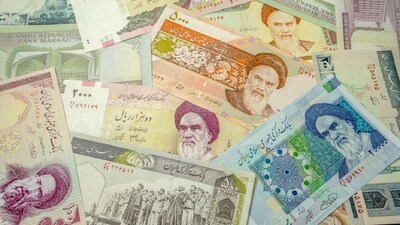
- •Medicine prices have surged by 150-500% due to 90% inflation, the removal of government subsidies, and a fivefold increase in raw material costs, making essential drugs unaffordable for many.
Key Questions Answered
Iran is experiencing severe shortages of critical medicines like cancer treatments and blood disorder drugs because a US naval blockade and sanctions have heavily disrupted supply imports. Additionally, international flight disruptions and banking restrictions have made it difficult for foreign shipments and financial transactions to reach the country.
Medicine prices in Iran have surged by 150 to 500 percent due to a combination of soaring inflation, the removal of government subsidies on foreign currency for medicine, and a fivefold increase in raw material costs.
Patients with serious conditions such as thalassaemia, cancer, and chronic illnesses are facing severe risks due to shortages of specialized treatments like Jadenu and other vital drugs.