Stories
Trump's Board of Peace Unveils $2.45 Billion Gaza Recovery Plan
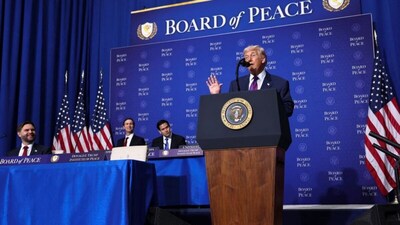
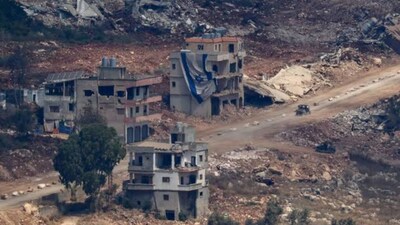
- •The Trump administration's Board of Peace has drafted a six-month, $2.45 billion initial recovery blueprint for the Gaza Strip, aiming to rebuild the war-torn enclave.
- •The plan, detailed by Axios, includes 66 projects to restore basic services, clear debris, and establish long-term stability.
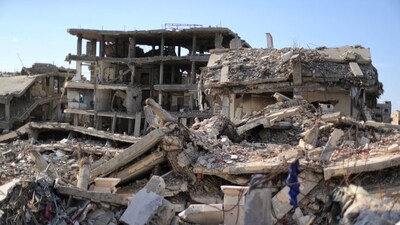
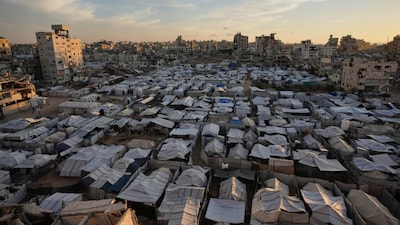
- •Core priorities include temporary shelter, rubble removal, hospital repairs, critical infrastructure restoration, and the deployment of 25,000 portable solar power kits.
- •A multinational security force is proposed to maintain public safety, secure borders, and protect infrastructure, alongside plans to fill underground tunnels.
- •While the initial plan addresses immediate needs, full economic and structural recovery for Gaza is estimated to require $71.4 billion over the next decade, with funding dependent on international backing and political breakthroughs.
Key Questions Answered
The initial $2.45 billion package outlines 66 individual projects focusing on temporary shelter, debris and unexploded ordnance removal, hospital repairs, and critical water and sewage infrastructure restoration. It also includes deploying 25,000 portable solar power kits, funding a multinational security force to protect infrastructure, and permanently filling underground tunnels beneath priority reconstruction sites.
While the initial recovery package focuses on a six-month stabilisation window, internal assessments estimate that physical damage to Gaza's infrastructure reaches $35.2 billion. Complete economic and structural recovery will ultimately require approximately $71.4 billion over the next decade to bridge the gap between immediate humanitarian aid and long-term capital investment.
Securing the full $2.45 billion depends heavily on international backing, foreign donor pledges, and political breakthroughs, though the US administration previously allocated over $206 million toward the security framework. However, lingering regional disputes, enforcement challenges regarding ceasefire terms, and cash flow constraints continue to pose significant operational risks to executing the plan on the ground.