Stories
Spain Housing Crisis Triggers Snap Election As Pedro Sanchez Battles The Right
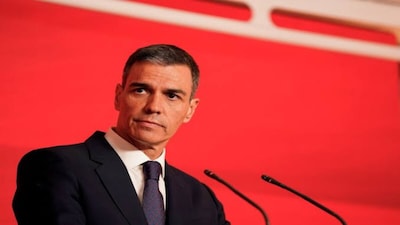
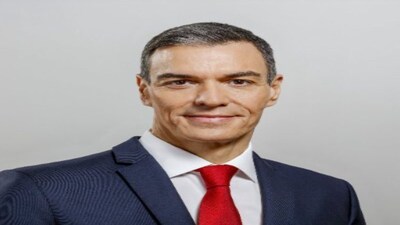
- •Spanish Prime Minister Pedro Sánchez called a snap general election for November 29 after right-wing parties rejected his government's emergency housing legislation.
- •The rejected emergency decrees included a ban on evictions until 2030 and strict regulations covering temporary rentals and rentals by room.
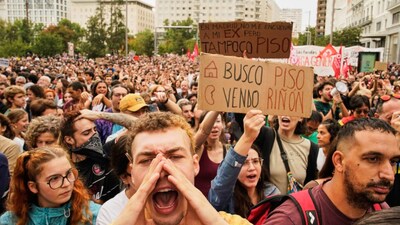
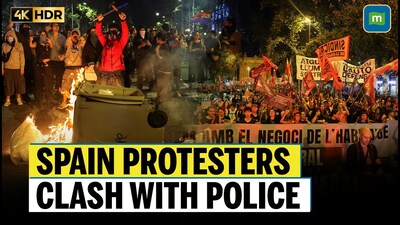
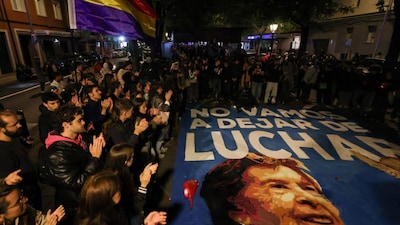
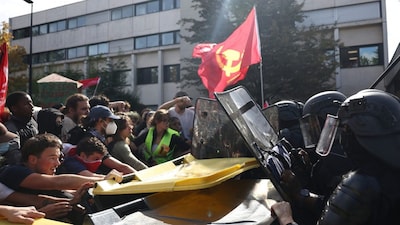
- •Public anger intensified following the eviction of an 87-year-old woman in Madrid, sparking mass protests and large demonstration camps across Spain.
- •Sánchez is betting that voter outrage over high rents and housing insecurity will mobilize left-wing support and counter the surging conservative opposition in the polls.
- •The government has also faced mounting pressure from corruption allegations involving Sánchez's wife Begoña Gómez and his brother David Sánchez, both of whom denied wrongdoing.
Key Questions Answered
Pedro Sánchez called a snap general election for November 29 after right-wing parties rejected his government's emergency housing measures. He is betting that public anger over high rents and housing will mobilize left-wing voters.
The housing decrees—which included a proposed eviction ban until 2030 and regulations on temporary and room rentals—were rejected in Congress by the conservative People's Party (PP), the far-right Vox party, and the Catalan pro-independence party Junts.
Public anger escalated following the eviction of Maricarmen Abascal, an 87-year-old woman who had lived in her Madrid home for 70 years after she could not afford a 230% rent increase demanded by an investment fund. This sparked mass protests drawing tens of thousands of demonstrators across Spain.