Stories
Saudi Oil Pipeline Restarts: What It Means for India Amid Hormuz Crisis
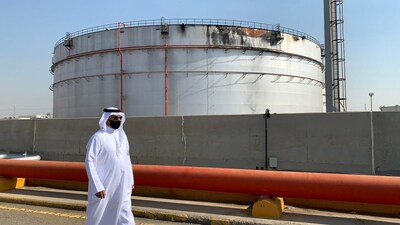
- •Saudi Arabia has restarted its East-West Pipeline, restoring crude flows towards the Red Sea after an earlier shutdown due to drone attacks.
- •The pipeline provides an alternative route for Saudi crude, bypassing the Strait of Hormuz, which is crucial for India's energy security.
- •While the restart is at a low rate, and tanker loadings from Yanbu have not fully resumed, it offers potential relief for Indian refiners.
- •Full restoration of the pipeline's capacity could take six to eight weeks, impacting the speed at which Yanbu exports return to normal.
- •The development could help moderate freight and insurance costs for Indian refiners by offering a non-Hormuz supply route, but it's not a complete solution to the wider crisis.
Key Questions Answered
The pipeline provides Saudi Arabia with an alternative route to transport crude oil to the Red Sea, allowing supplies to bypass the disrupted Strait of Hormuz. This helps restore a vital non-Hormuz supply source for India, which typically relies on the strait for about 40% of its crude imports, and could eventually help moderate freight and insurance costs.
The East-West Pipeline was shut down after being targeted by drone attacks earlier in September 2026. These attacks caused damage to pumping stations, forcing Saudi Aramco to temporarily halt crude supplies through both the Red Sea and the Strait of Hormuz.
Industry reports estimate that a full restoration of the pipeline and its pumping capacity could take between six to eight weeks due to the pump station damage. Although pumping resumed around September 22 at a lower rate of about 4 million barrels per day, tanker loadings from Yanbu had not yet fully resumed.