Stories
Russia Plague Scare: What You Need To Know About Symptoms And Risks

- •A suspected case of pneumonic plague in Siberia involving a deceased laboratory worker has triggered international attention and medical observation for nearly 200 contacts.
- •Russian authorities and watchdog Rospotrebnadzor have not officially confirmed the plague diagnosis, stating she was treated for pneumonia of unknown aetiology.
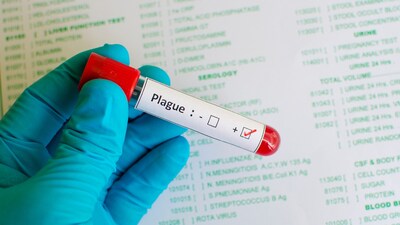
- •Plague is caused by the bacterium Yersinia pestis, and while historically devastating, it can now be effectively treated with modern antibiotics if diagnosed early.
- •Pneumonic plague is the most severe and contagious form, affecting the lungs and capable of spreading directly between people through respiratory particles.
- •Health experts emphasize there is currently no evidence that this single Russian case could turn into another global COVID-like pandemic.
Key Questions Answered
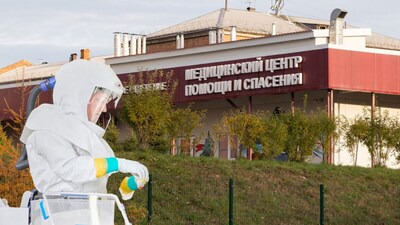
A suspected case of pneumonic plague involving a 28-year-old laboratory worker at an anti-plague research institute in Siberia who died following severe pneumonia triggered international attention. Nearly 200 people who may have come into contact with her were placed under medical observation.
Pneumonic plague affects the lungs and is the only form of plague that can spread directly between people by inhaling infectious respiratory particles. It begins with symptoms like fever, headache, and weakness, followed by rapidly developing pneumonia, shortness of breath, chest pain, and a cough that can produce bloody or watery mucus.
Yes, unlike during the era of the Black Death, plague can be diagnosed and treated with antibiotics. Early diagnosis and treatment can save lives, and doctors can begin treatment when plague is suspected rather than waiting for laboratory confirmation.