Stories
Pakistan New Provinces Plan: Is Asim Munir Eyeing Total Control?
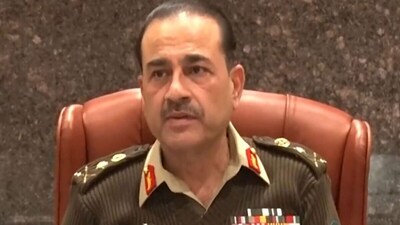
- •Pakistan is debating the creation of new provinces, raising concerns over military influence, wealth distribution, and provincial autonomy.
- •The emergency rule in Khyber Pakhtunkhwa has heightened political tensions amid fears of federal overreach and the undermining of elected governments.
- •Critics warn that restructuring provinces and modifying the 18th Amendment or NFC Award could weaken established political parties like PML-N and PPP.
- •Valuable mineral resources in regions like Balochistan add an economic and strategic layer to the ongoing federal and provincial power struggles.
- •Article 239 of Pakistan's constitution requires two-thirds approval from relevant provincial assemblies for any boundary changes, presenting a major legal hurdle.
Key Questions Answered
Supporters argue that creating new provinces or smaller administrative units improves governance accessibility, service delivery, and focus on neglected regions like South Punjab. Critics and political parties, however, fear it could dilute established political bases, weaken provincial autonomy under the 18th Amendment, and increase federal or military control.
Article 239(4) of Pakistan's Constitution mandates that any constitutional amendment altering provincial boundaries must first be approved by the relevant provincial assembly with at least a two-thirds majority. This acts as a major legal safeguard and hurdle against unilateral federal restructuring.
The 18th Amendment significantly expanded provincial autonomy and protected revenue distribution through the NFC Award, ensuring a province's financial share cannot drop below previous levels. Redrawing boundaries or altering this framework could disrupt fiscal power balances between Islamabad and the provinces.