Stories
Pakistan Denies Airspace to Russian Uranium Flight for Bangladesh Nuclear Plant, Citing Technical Issues
- •A Russian cargo flight carrying nuclear fuel for Bangladesh's Rooppur Nuclear Power Plant was delayed after Pakistan denied permission to use its airspace.
- •Bangladesh's Science and Technology Minister Faqir Mahbub Anam confirmed the September 24 shipment was postponed due to the lack of Pakistani airspace clearance.
- •Pakistan's High Commission in Dhaka stated the denial was due to "technical and procedural arrangements" concerning flight routing and airspace permissions, not political issues.
- •Russia has proposed a revised schedule, with the uranium shipment now expected in Bangladesh in the first week of October, using an alternative route.
- •The remaining fuel batches for Unit-2 of the Rooppur plant are expected to arrive via seven separate cargo flights between October and December.
Key Questions Answered
The initial nuclear fuel shipment scheduled to arrive on September 24 was delayed because Pakistan did not grant permission for the Russian cargo flight to use its airspace. Pakistan stated that the matter involved technical and procedural arrangements regarding flight routing and airspace permissions rather than any political issue.
Following the airspace denial, Russia proposed a revised schedule anticipating the uranium shipment to reach Bangladesh in the first week of October. Rosatom confirmed that subsequent fuel consignments for Unit-2 will be transported via an alternative route and delivered across seven separate cargo flights by December.
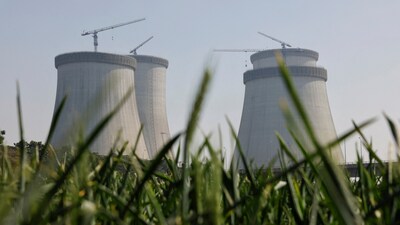
Rooppur is Bangladesh's first nuclear power plant, located along the Padma River in the Pabna district, and is being developed with technical assistance from Russia's Rosatom. Consisting of two VVER-1200 third-generation reactor units, the facility is designed to generate 2,400 megawatts of baseload electricity for Bangladesh.