Stories
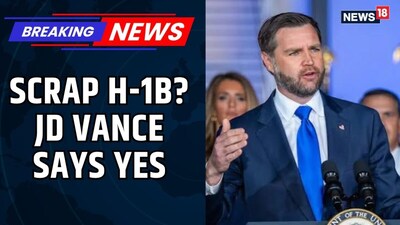
JD Vance defends H-1B visa comments citing Indian in-laws and worker protection
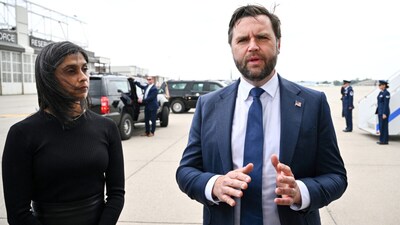
- •US Vice President JD Vance addressed the backlash over his previous 'foreign indentured servant' remarks regarding H-1B visa holders.
- •Vance acknowledged that his choice of words might have been wrong, taking full responsibility for his language.
- •He cited his Indian in-laws from South India and his wife Usha Vance to emphasize that his comments targeted corporate systems, not immigrants.
- •Vance argued that H-1B visa rules give excessive power to employers and can harm both American and foreign workers.
- •He also raised concerns about social cohesion and community dynamics amid high immigration rates.
Key Questions Answered
US Vice President JD Vance addressed his previous remarks likening certain employment-based H-1B visa holders to "foreign indentured servants," admitting that his choice of rhetoric was imperfect and accepting responsibility for it. He clarified that his criticism was directed at companies exploiting the visa system rather than at the individual visa holders themselves.
JD Vance argues that the H-1B visa system ties a worker's employment status directly to their legal right to remain in the United States, leaving them heavily dependent on their employer. If an employee has a dispute or loses their job, staying in the country becomes extremely difficult, which he claims gives companies excessive power over workers.
To illustrate that his political criticisms of the H-1B visa program do not stem from a personal animosity toward immigrants, JD Vance noted that his wife, US Second Lady Usha Vance, is a second-generation American whose parents immigrated to the United States from South India.