Stories
Iran's Rial Plummets to Record Low Amid Soaring Inflation and Strait of Hormuz Tensions
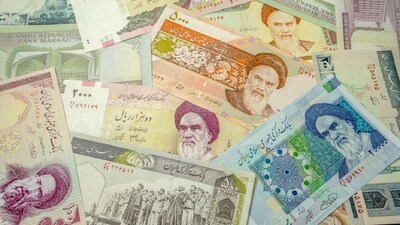
- •Iran's currency, the rial, has fallen to a new record low of over 2.5 million to the US dollar, marking a significant depreciation in less than a month.
- •The currency's decline is exacerbated by sharply elevated inflation, with year-on-year inflation reaching 84.4% in August.
- •The weakening rial makes imported goods more expensive, further squeezing Iranian households and businesses.
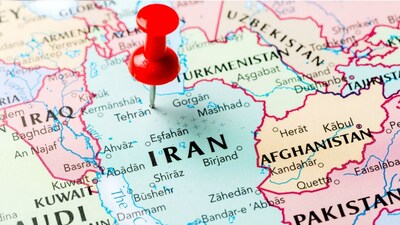
- •The currency crisis unfolds as indirect discussions continue between Iran and the US regarding the reopening of the Strait of Hormuz, a critical oil-shipping route.
- •Despite ongoing diplomatic efforts, major differences persist between Iran and the US on the terms of any settlement, with both sides remaining far apart.
Key Questions Answered
Iran's rial has dropped to a fresh record low of more than 2.5 million to the US dollar. This decline highlights mounting economic pressure on Tehran as inflation remains sharply elevated, with year-on-year inflation reported at 84.4% in August.
Iran proposed reopening the Strait of Hormuz within seven days if the US lifted its naval blockade of Iranian ports, eased sanctions on Iranian oil sales, and observed a ceasefire that included Lebanon. However, US President Donald Trump rejected this proposal, and both sides remain divided.
Iran reported a year-on-year inflation rate of 84.4% in August and an annual average inflation rate of around 65%. The weaker rial makes imported goods and dollar-linked expenses much more expensive, squeezing businesses and forcing households to cut back on purchases.