Stories
Trump Rejects Iran's 7-Day Plan to Reopen Hormuz Amid Rising Tensions
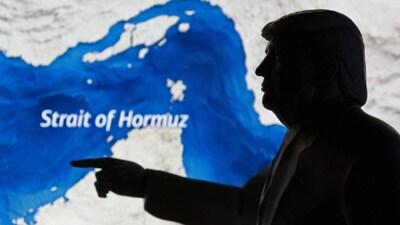
- •Iran proposed a seven-day roadmap to end the conflict, with Foreign Minister Abbas Araghchi stating Tehran is ready to implement the plan if Washington agrees.
- •The US State Department, through spokesman Tommy Pigott, indicated that the door to diplomacy remains open, asserting that the US has not hindered it.
- •Mecca Pact nations reaffirmed their commitment to Saudi Arabia’s defense during a meeting in Riyadh, reviewing threats facing the kingdom.
- •Iran signaled that diplomatic efforts would not lead to abandoning its nuclear program, with Mohammad Saleh Jokar stating Tehran would not back down from enriching uranium to 60%.
- •Jokar emphasized that uranium enrichment is a ‘legitimate right of the Iranian people’ for various uses including medicine, agriculture, industry, and fuel production, while denying pursuit of nuclear weapons.
Key Questions Answered
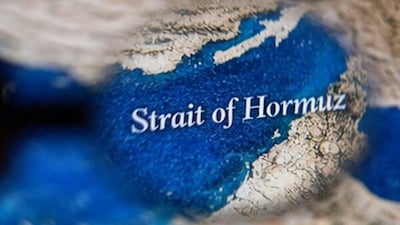
Iran proposed a seven-day roadmap to bring the conflict to an end, which includes reopening the Strait of Hormuz. Foreign Minister Abbas Araghchi stated that Tehran is ready to begin implementing the plan as soon as Washington agrees.
Mohammad Saleh Jokar, chairman of Iran's parliamentary Committee on Internal Affairs and Councils, stated that Tehran will not back down from enriching uranium to 60%. He defended the enrichment levels as a legitimate right of the Iranian people and essential for technology uses in medicine, agriculture, industry, and fuel production.
Mecca Pact nations reaffirmed their commitment to Saudi Arabia's defence during a meeting in Riyadh. According to the Saudi Defence Ministry, army chiefs gathered to review the threats facing the kingdom.