Stories
Indonesia Markets Suffer Deep Selloff After MSCI Warns of Potential Downgrade
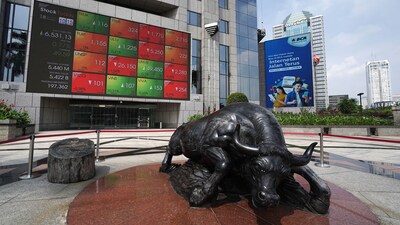
- •Indonesian stocks extended their worst rout in nearly 30 years, with the Jakarta Composite Index plunging up to 5.4% on Monday following a 12% drop on Friday.
- •Losses spread to bonds and the rupiah after MSCI Inc. warned that Indonesia faces a potential two-step downgrade from emerging-market to standalone status.
- •Global funds have pulled a net $5.1 billion from Indonesian equities in 2026, heading for record annual outflows.
- •The Indonesia Stock Exchange tightened daily trading limits to a maximum decline of 7% to contain the severe market fallout.
- •Indonesian officials plan to meet with MSCI executives to seek clarity on the unexpected reclassification threat.
Key Questions Answered
Indonesian markets plunged after MSCI Inc. warned that the country faces a potential two-step downgrade from emerging-market to standalone status over market dysfunction and investability concerns. This threat accelerated a full-blown exit of foreign capital, driving the Jakarta Composite Index to its lowest level since 2020.
In response to the severe selloff, the Indonesia Stock Exchange tightened trading limits by cutting the maximum daily decline for individual stocks to 7% through the end of the year. Additionally, the Financial Services Authority met with financial influencers, analysts, and economists to discuss market reforms, while various companies proposed major share buybacks.
Goldman Sachs Group Inc. estimates that a full removal of Indonesian stocks from MSCI indexes could trigger around $5.6 billion in passive outflows, with an additional $2.7 billion at risk if FTSE Russell follows a similar path. Other estimates from financial institutions like Mirae Asset and Citigroup range in the billions.