Stories
India, Canada Resume CEPA Talks October 5, Target Year-End Deal

- •India and Canada will resume the fifth round of Comprehensive Economic Partnership Agreement (CEPA) negotiations in Ottawa on October 5, aiming to conclude talks by year-end.
- •The five-day talks, concluding on October 9, are progressing rapidly with both nations targeting a year-end agreement, ahead of Prime Minister Narendra Modi's expected visit to Canada in December.
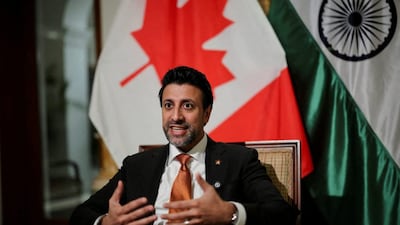
- •Canada's Trade Minister Maninder Sidhu will visit New Delhi with a 300-strong business delegation to boost discussions, following a review meeting with Commerce Minister Piyush Goyal in Mumbai.
- •CEPA is a free trade agreement designed to significantly reduce or eliminate customs duties, ease professional movement, and attract investments between the two countries.
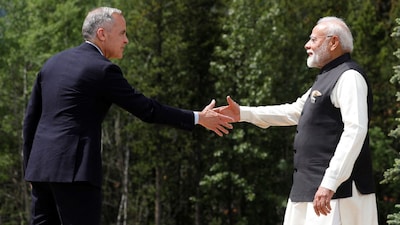
- •Negotiations, initially launched in 2015 and paused twice due to various reasons including allegations by then Prime Minister Justin Trudeau, were formally re-launched in November 2025 after talks between PM Modi and Mark Carney.
Key Questions Answered
The chief negotiators of India and Canada will begin the fifth round of negotiations for the proposed Comprehensive Economic Partnership Agreement in Ottawa starting October 5. The five-day talks are scheduled to run until October 9 with the objective of concluding the trade agreement by the end of the year.
Bilateral trade negotiations were paused in 2023 after relations deteriorated following then Canadian Prime Minister Justin Trudeau's allegations regarding a potential Indian link to the killing of Hardeep Singh Nijjar, an accusation that India dismissed as absurd. Formal negotiations were subsequently resumed in November 2025 following renewed diplomatic engagement.
The Comprehensive Economic Partnership Agreement is a type of free trade agreement designed for both countries to significantly reduce or eliminate customs duties on traded goods, ease norms for the movement of skilled professionals, and attract bilateral investments.