Stories
How Trump's H-1B Crackdown Impacts Indian-American Voters Ahead of 2026 Midterms

- •President Donald Trump's strict H-1B visa and immigration policies heavily impact Indian professionals, who accounted for 71% of new H-1B petitions in fiscal year 2024.
- •A federal judge in California blocked the administration's controversial $100,000 fee for certain new H-1B petitions, following a similar ruling in Massachusetts.
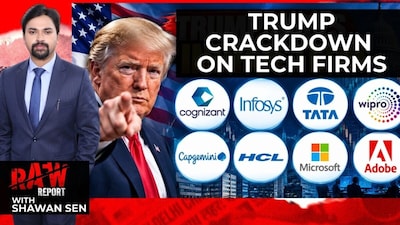
- •Major tech and IT companies like Microsoft, Infosys, Tata Consultancy Services, and Wipro were suspended from the Permanent Labor Certification PERM program.
- •The administration also proposed hefty fees for Optional Practical Training OPT, potentially disrupting pathways for international student graduates.
- •A Carnegie survey revealed that 64% of Indian-Americans disapprove of Trump's immigration policies, though inflation and the economy remain their top concerns.
Key Questions Answered
The $100,000 payment requirement for certain new H-1B petitions involving workers outside the US was blocked by a federal judge in California on September 30, 2026, following an earlier ruling against it in Massachusetts. However, the fee remains subject to ongoing litigation and has been extended through September 2027.
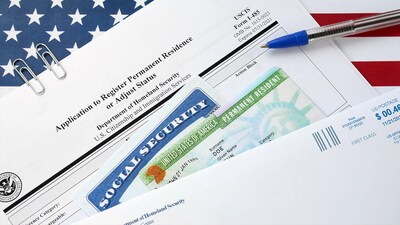
The US government suspended major technology and IT companies, including Microsoft, Infosys, Tata Consultancy Services, and Wipro, from the PERM Permanent Labor Certification program. This employer-sponsored process assists foreign workers in securing permanent residency, though the suspension does not automatically cancel employees' existing H-1B status.
While 64% of Indian Americans disapprove of Trump's immigration policies and roughly two-thirds oppose the $100,000 H-1B fee, immigration is not their leading policy concern. Inflation and prices rank first at 21%, followed by jobs and the economy at 17%, healthcare at 13%, and immigration at 11%.