Stories
Gen Z Global Revolt: Why Youth Are Challenging Governments Worldwide
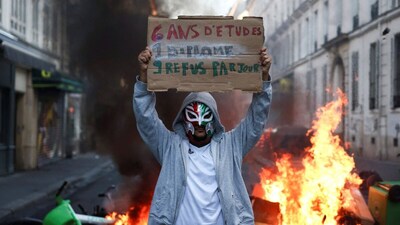
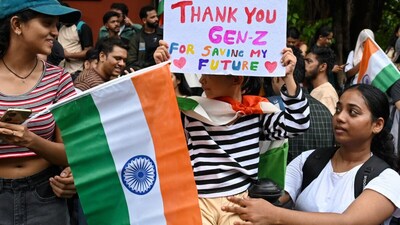
- •From Bangladesh and Nepal to Kenya and Madagascar, Gen Z youth are leading massive street protests against corruption, inflation, unemployment, and policy failures.
- •Governments have fallen in countries like Bangladesh, Nepal, and Madagascar as student-led movements pressure political systems for systemic change.
- •Social media acts as a powerful catalyst, connecting global youth, spreading real-time information, and organizing protests independently of traditional political leaders.
- •While regime changes happen quickly, the real challenge for Gen Z lies in translating street protests into lasting governance reforms, job creation, and accountability.
Key Questions Answered
In Bangladesh, a student movement began in July 2024 against government job quotas, which escalated into widespread opposition and led to Prime Minister Sheikh Hasina's resignation on August 5, 2024. In Nepal, youth protests were sparked in September 2025 after the government banned multiple social media platforms, compounding existing anger over corruption, nepotism, and limited employment.
In Kenya, youth began protesting in June 2024 against the government's finance bill and proposed tax hikes, leading President William Ruto to withdraw the bill. In Madagascar, severe shortages of water and electricity in September 2025 fueled anger over poor governance and corruption, ultimately ending President Andry Rajoelina's rule.
Gen Z, born between 1997 and 2012, utilizes smartphones and social media to quickly share information, organize demonstrations, and connect local grievances with global trends. However, while social media acts as a powerful catalyst for mobilization, lasting success requires clear demands, deep public participation, and concrete institutional reforms.