Stories
Tensions Flare Over EU's Next Long-Term Budget Ahead of 2027 Elections
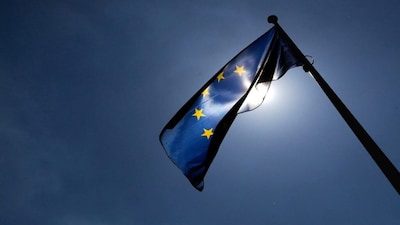
- •Political tensions are rising over the European Union's next long-term budget as leaders push for an agreement ahead of unpredictable elections in major member states.
- •Ireland, holding the EU rotating presidency, proposed a 2028-2034 budget of 1.62 trillion euros, marking a 30% increase from the current package but 8% less than what the European Commission desires.
- •Net contributor nations like Sweden and Germany are pushing back against the proposed spending, arguing it is unaffordable and demands excessive contributions from taxpayers.
- •The negotiations face a clash between funding EU ambitions such as defense and support for Ukraine, and maintaining traditional spending on agriculture and poorer regions.
Key Questions Answered
Ireland proposed setting the EU's 2028-2034 budget at 1.62 trillion euros, which represents a 30% increase over the current seven-year package but is 8% less than the European Commission's original plan. This draft incorporates roughly €141 billion in total cuts across various spending priorities.
Net contributor countries like Sweden and Germany argue that the current budget proposals are wildly unaffordable for nations bearing the main burden of financing. Sweden noted that the Irish plan would result in a 60% increase in its national contribution, limiting its ability to fund priorities at home.
Combined funding for agriculture and regional development, which accounts for about two-thirds of the budget, would be reduced by only around 3% under the Irish proposal, preserving approximately €914 billion to protect traditional programs and satisfy member states.