Stories
Economic Anxiety and Foreign Conflict Dominate 2026 US Midterm Elections
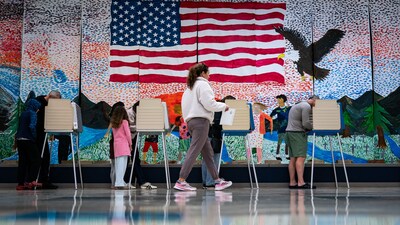
- •The upcoming US midterm elections on November 3 will determine control of the House and Senate for the final two years of President Donald Trump's second term.
- •Affordability and the cost of living have emerged as the most prominent issues, with 84 percent of registered voters considering the economy very important to their vote.
- •The ongoing war with Iran has transformed foreign policy into a domestic economic concern by driving up energy prices, freight costs, and inflation pressures.
- •Public disapproval of Trump's immigration and deportation policies has grown, potentially weakening a key political advantage for Republicans.
- •Other significant campaign issues include the future of democracy, government ethics, artificial intelligence, healthcare, and shifting priorities regarding abortion and gun policy.
Key Questions Answered
Affordability and cost of living have emerged as the most prominent issues for voters across party lines. A Pew Research Center survey indicates that 84% of registered voters consider the economy very important, driven by concerns over grocery, housing, electricity, fuel, and borrowing expenses alongside high household pressure despite a 3.4% inflation rate in August. Additionally, President Trump's tariffs and the economic fallout from the Iran conflict have increased financial strain on businesses and households.
The conflict with Iran has transformed foreign policy into a domestic economic concern by driving up energy prices, freight costs, and supply chain disruptions. An Emerson poll identified the Iran war as a top voter issue, while a Reuters/Ipsos survey revealed that only 34% of respondents approved of Trump's handling of the situation. These pressures have complicated the political standing of Republicans, with some candidates in competitive races calling for an end to the hostilities.
Public opinion polls indicate widespread disapproval of the administration's immigration enforcement. A Reuters/Ipsos survey found that 55% of overall respondents disapproved of Trump's handling of immigration. Among Latino voters specifically in competitive congressional districts, disapproval reached 62% regarding the administration's deportation and enforcement strategies.