Stories
America's Affordability Crisis: Used Cars Now Cost $15,000 for 9-Year-Old Models
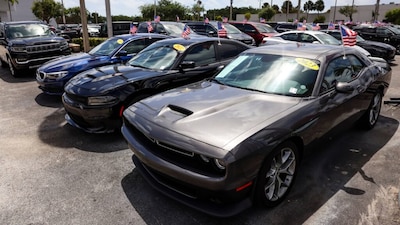
- •Used car buyers now pay $15,000 for vehicles that are nearly nine years old with 98,000 miles, a significant decline from 2019 when the same budget bought a car under five years old with 58,000 miles.
- •The squeeze on used car prices stems from record-high new car prices, with a new Toyota 4Runner costing twice what Benjamin Young paid and even a basic Honda Civic starting at $25,000.
- •The pandemic-induced supply chain issues taught automakers that producing fewer, high-priced models leads to better profits, impacting both new and used car markets.
- •Leasing rates have dropped significantly, from 4 million vehicles annually before Covid-19 to an estimated 2.5 million this year, reducing the inventory of low-mileage used cars entering the market.
- •Buyers face fierce competition and higher prices for older, higher-mileage vehicles, with some resorting to costly shipping or dealing with immediate repair issues, like Benjamin Young's fluid leak on his recently purchased 12-year-old Toyota 4Runner.
Key Questions Answered
According to auto research site Edmunds, a used car priced between $10,000 and $15,000 is almost nine years old on average and has accumulated 98,000 miles on it, a significant change compared to 2019 when that same budget bought a car under five years old with about 58,000 miles.
Auto companies learned during the pandemic supply chain disruptions that producing fewer, higher-priced models yields better profit margins and rewards from stock investors. Additionally, tariffs and increased energy costs from the war with Iran have heightened manufacturing and shipping expenses.
The industry is on pace to lease only 2.5 million vehicles this year compared to about 4 million annually before Covid, reducing the churn of low-mileage cars hitting the used market. Because low-interest lease incentives are too expensive in the current interest-rate environment, automakers prefer selling vehicles directly, tightening used inventory for the foreseeable future.