Stories
France Faces Growing Unrest As Rioting And Violent Clashes Spark Law And Order Fears
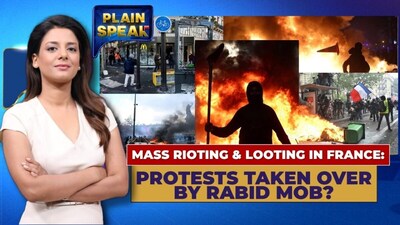
- •France is experiencing renewed scrutiny over public order following reports of mass looting and violent clashes during street protests.
- •Authorities are facing difficult challenges in balancing the protection of the right to protest while actively restoring law and order.
- •The recent wave of disorder raises critical questions about where peaceful dissent ends and criminal violence begins.
- •Discussions examine the broader political and social tensions surrounding the protests and how the government is responding to the crisis.
Key Questions Answered
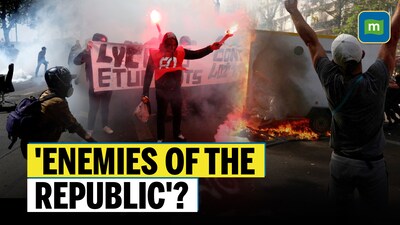
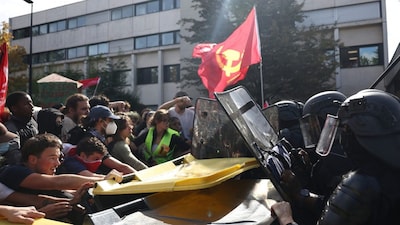
The protests initially began as student-led demonstrations over education, teacher shortages, and working conditions before broadening into a nationwide movement driven by rising living costs, soaring inflation, public services, and economic inequality. The movement drew in trade union members, workers, farmers, retirees, and supporters of the Yellow Vest movement.
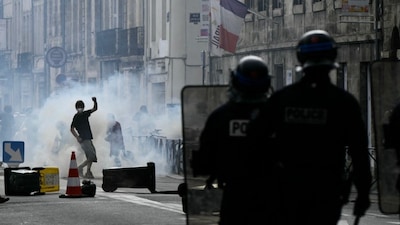
President Emmanuel Macron strongly condemned the violence and looting, stating that those responsible must face strict consequences and pay for the destruction. The government deployed riot police who used tear gas and water cannons to disperse crowds, resulting in nearly 2,400 arrests and the mobilization of over a thousand security personnel.
Unrest spread to cities including Paris, Marseille, Lyon, Bordeaux, and Limoges, where high-end retailers like Louis Vuitton, Apple, and Hermès were looted. Significant structural damage occurred, notably a fire that destroyed about two-thirds of Limoges's historic 143-year-old town hall and arson attacks on municipal and tourist buildings.