Stories
Toxic Relationships: How Stress Impacts Sleep, Appetite, and Health
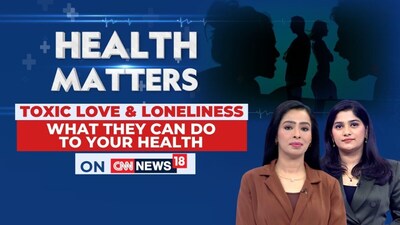
- •This edition of Health Matters explores the growing evidence linking close relationships, stress, and overall well-being.
- •Relationships can be a source of emotional support, but persistent conflict and negative interactions can become sources of stress.
- •Research links relationship distress with changes in stress-related biological processes, including hormonal and cardiovascular responses.
- •Negative relationship experiences are associated with poorer sleep and other health outcomes.
Key Questions Answered
Persistent conflict and negative interactions in close relationships act as sources of chronic stress, which research links to changes in stress-related biological processes like hormonal and cardiovascular responses, as well as poorer sleep quality and other adverse health outcomes.
People who constantly cause stress, engage in arguments, or make life difficult are considered hasslers and can accelerate the aging process, negatively affecting both mental and physical health by increasing biological age.
Biological age reflects your true physical condition and shows how healthy or weak the body is on the inside, meaning an individual's biological age can be much higher than their actual chronological age if their health is compromised by ongoing stress.