Stories
Bangkok Flooding: Is it Safe to Visit? What Travelers Need to Know Now
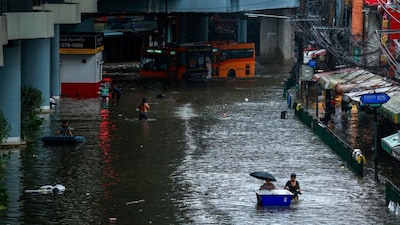
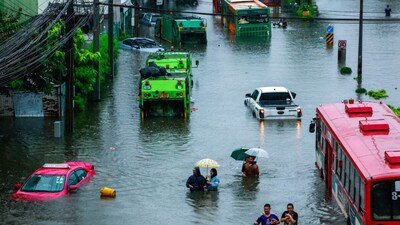
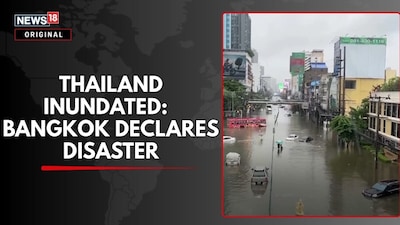
- •Bangkok is recovering from severe urban flooding, with all 50 city districts declared disaster zones after 320mm of rain in days, affecting 700,000 residents and causing 40 flood-related deaths nationwide.
- •Despite disruptions, central commercial, dining, and heritage hubs, including major cultural attractions like the Grand Palace and Wat Pho, remain accessible and operational.
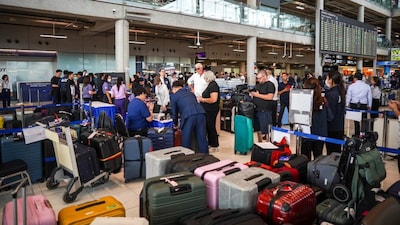
- •Suvarnabhumi Airport (BKK) and Don Mueang International Airport (DMK) are open, but Suvarnabhumi faces ground-handling delays, leading to reduced Thai Airways departures and a backlog of over 5,000 luggage pieces.
- •Urban rail networks (BTS Skytrain, MRT, Airport Rail Link, SRT Red Line) are fully functional, offering reliable transport, while surface roads remain unpredictable with lingering water and diversions.
- •The Thai Meteorological Department forecasts weakening monsoon and reduced rainfall, with southern resort islands like Phuket and Koh Samui remaining accessible and outside the flood impact zone.
Key Questions Answered
Yes, key central commercial, dining, and heritage hubs remain accessible, and major cultural attractions like the Grand Palace and Wat Pho continue normal operations. However, low-lying eastern districts face more challenging conditions, and travellers should verify hotel access directly.
Suvarnabhumi and Don Mueang airports remain open. Ground-handling delays and a backlog of over 5,000 bags at Suvarnabhumi led Thai Airways to temporarily reduce scheduled departures by 30 to 40 percent, causing dozens of domestic and international flight cancellations.
Bangkok's urban rail networks, including the BTS Skytrain, MRT, Airport Rail Link, and SRT Red Line, are operating normally on standard schedules. Conversely, surface road transit remains unpredictable with lingering water depths and gridlock, prompting recommendations to rely on rail transit.