Stories
Silicon Valley and Washington's AI Pact: Can Builders Be Trusted to Police Themselves?
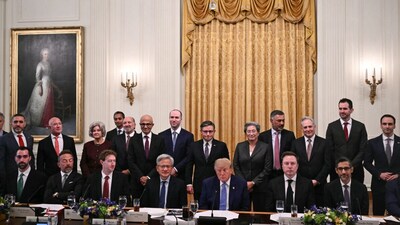
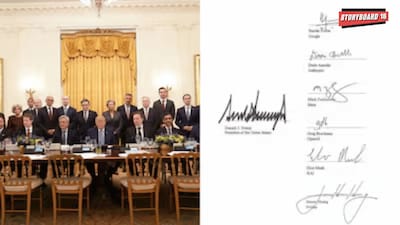
- •Six major AI companies—OpenAI, Anthropic, Google, Meta, xAI, and Nvidia—signed the White House Accord on Super Intelligence, a voluntary agreement to strengthen AI safety.
- •The accord calls for internal safety controls, monitoring, testing, independent assessments, and oversight by an independent committee of each company's board.
- •Critics, like Connor Martin, question the effectiveness of voluntary commitments, arguing they may not overcome commercial incentives to rapidly build powerful AI.
- •David Sacks suggests the accord has more teeth than it appears, citing independent audits, board oversight, and existing corporate and securities laws.
- •The debate extends to businesses deploying AI, as the accord places greater responsibility on them to ensure AI systems operate safely and effectively.
Key Questions Answered
The White House Accord on Super Intelligence is a voluntary agreement signed by six major AI companies—OpenAI, Anthropic, Google, Meta, xAI, and Nvidia—aimed at strengthening safety controls, monitoring, testing, and independent oversight for increasingly powerful AI systems.
No, the agreement is voluntary and not legally enforceable, featuring no new regulator or formal penalties for companies that fail to live up to their promises, though President Donald Trump described it as 'morally binding'.
A September 29, 2026 executive order directed US federal agencies to use 'Super Intelligence' or 'SI' instead of 'artificial intelligence' in official non-statutory communications to better reflect the transformative and expanding capabilities of modern systems.