Stories
Nilekani-backed Apurva.ai Transforms LENS into Ecosystem Platform for Global South Development
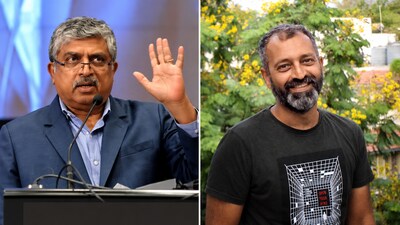
- •Nandan Nilekani-backed Apurva.ai is expanding its AI-powered Apurva LENS from an organizational workspace to an ecosystem platform for wider knowledge sharing and collaboration.
- •The platform enables multiple organizations in the development sector to share knowledge while maintaining control over private information, already being tested by groups across the Global South.
- •Apurva.ai, a unit of C4EC Foundation, builds AI tools like LENS to analyze and connect information from reports, research, conversations, and community experiences, not a general-purpose LLM.
- •LENS, originally designed to help change leaders make sense of scattered knowledge, has surfaced over half a million voices and perspectives from the Global South development ecosystem.
- •Early adopters like SELCO Foundation, Museu da Pessoa (Brazil), and Resilience Action Network Africa have successfully used LENS to organize and analyze diverse data, demonstrating its potential to make intelligence useful at scale.
Key Questions Answered
Apurva LENS is an AI-powered knowledge product by Apurva.ai that helps organisations analyse and connect information from reports, research, and community experiences. Apurva.ai is expanding LENS from an organisation-level workspace into an ecosystem platform to enable knowledge sharing and collaboration across multiple organisations and actors in the development sector.
Apurva.ai is backed by Nandan Nilekani and is a unit of the C4EC Foundation, which was co-founded by Nilekani Philanthropies. Rather than building general-purpose large language models like ChatGPT, the company builds AI-powered tools like LENS that help change leaders make sense of scattered knowledge and community voices.
Organisations have used LENS to synthesize archival info, research, and community dialogues. For instance, SELCO Foundation used it to query internal knowledge bases, Brazil's Museu da Pessoa explored longevity patterns from life stories, and Resilience Action Network Africa analyzed community dialogues across Kenya, Uganda, Sierra Leone, and South Africa.