Stories
China Deploys Delivery Robots for the Night Shift to Slash Logistics Costs
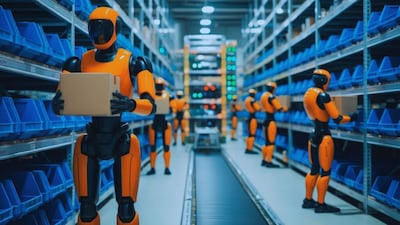
- •Shenzhen opened access for nighttime deliveries by driverless vehicles in March, turning idle transport capacity into productive capacity during off-peak hours.
- •Autonomous vehicle startup Neolix operates thousands of robovans globally, helping bypass daytime traffic peaks and mitigating stubborn human labor costs.
- •Navigating in the dark presents challenges like low-light visibility and unpredictable pedestrian behavior, prompting government-backed trials with anti-glare lighting and designated corridors.
- •Chinese tech giants like Meituan and JD.com are heavily investing in physical AI and autonomous delivery, operating hundreds of nighttime routes across major cities.
Key Questions Answered
In March, Shenzhen opened access for nighttime deliveries by driverless vehicles. To help autonomous vehicles move safely in the dark, the city government installed anti-glare lighting, established new vehicle standards under a trial regulatory framework, and created a new protocol for emergency response.
Beijing-based Neolix operates the world's largest autonomous fleet with 27,000 vehicles across 300 cities in 15 countries. The company expects its domestic fleet to grow to 50,000 vehicles this year and plans to add another 100,000 next year.
Safety for the unsupervised night operations is handled through five layers of redundancy. These include onboard lidar and cameras designed for low-light detection, a live feed of 42 vehicle metrics connected to a municipal monitoring platform, and Neolix's proprietary detection system that tracks 17 distinct risk categories like unexplained stops or route deviations.