Stories
Why AI Giant Anthropic Consulted a Hindu Monk on Consciousness and Morality
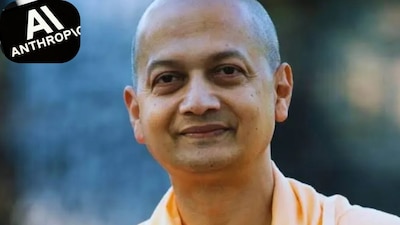
- •Anthropic consulted Swami Sarvapriyananda, head of the Vedanta Society of New York, to discuss artificial intelligence, philosophy, and consciousness.
- •The discussions covered profound topics including the nature of the self, personal identity, and what defines a person.
- •Indian philosophical traditions offer centuries of deep debate on consciousness and the mind, providing valuable perspectives for AI safety.
- •Anthropic emphasizes that these talks do not mean current AI models are conscious or being taught Hinduism.
- •The outreach reflects a broader industry shift toward incorporating diverse philosophical and religious frameworks to navigate complex AI ethics.
Key Questions Answered
Anthropic invited Swami Sarvapriyananda to its San Francisco offices to discuss philosophical topics such as consciousness, identity, and the nature of the self. These discussions form part of a broader effort by the company to understand how different religious and philosophical traditions approach complex questions that may become critical as AI systems grow more capable.
No, Anthropic does not claim that its AI systems are conscious. The company clarifies that there is currently no established scientific basis to state that Claude or other mainstream AI models possess a mind, and these conversations serve to broaden the intellectual framework around AI ethics and safety.
Anthropic previously developed a constitutional framework for Claude, acting as a set of guiding principles designed to shape the AI's behavior. The company believes that AI systems require principles to govern responses in difficult situations rather than relying strictly on technical instructions.