Stories
When Did Our Phones Become Our Memory? Exploring Our Growing Reliance on Digital Storage
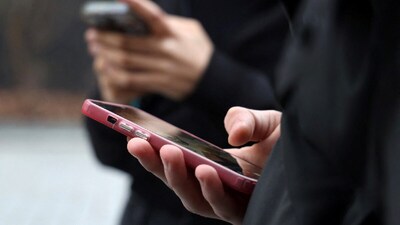
- •Our phones have evolved from communication tools to primary repositories for significant portions of our memory, storing contacts, birthdays, passwords, and more.
- •Navigation apps like Google Maps allow us to reach destinations without truly learning routes, highlighting a shift from internal to external spatial memory.
- •We've become adept at remembering where information is stored digitally (e.g., WhatsApp, email, screenshots) rather than the information itself, leading to "archaeological excavations" of our digital lives.
- •Password managers exemplify this trend, offloading the burden of remembering complex passwords from our brains to machines.
- •Phones now serve as external memory for mundane tasks like remembering where a car is parked or what medicine to buy, and also store thousands of photographs that can resurface forgotten memories.
Key Questions Answered
Before navigation apps, drivers would eventually learn routes after driving somewhere a few times using landmarks. Today, people can drive to the same place repeatedly while following GPS instructions without actually learning the route or paying close attention.
Smartphones quietly store a significant portion of modern memory, including phone numbers, birthdays, appointments, passwords, and shopping lists. Instead of memorizing information directly, people often just remember where it is digitally stored, such as in WhatsApp, emails, screenshots, or notes.
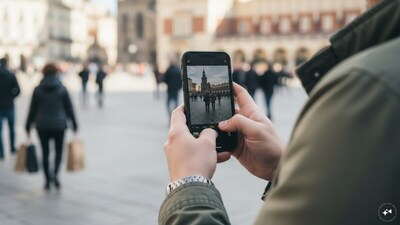
People now take photographs to avoid having to remember mundane details, such as where a car is parked, which medicine to buy, or a model number on an appliance. Additionally, smartphones automatically curate ordinary photos to surface forgotten moments and experiences.