Stories
Too Many Chargers, Still Searching? Unraveling the USB-C Charging Mystery!
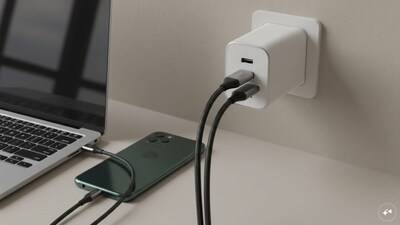
- •Despite USB-C's promise of simplification, users often find themselves with numerous chargers and cables that look identical but have vastly different capabilities.
- •USB-C is a shape, not a promise: two identical-looking USB-C cables can have different power delivery and data transfer speeds, leading to confusion.
- •Modern USB Power Delivery (USB PD) prevents devices from being "fried" by higher wattage chargers; devices and chargers communicate to negotiate power needs.
- •Achieving full charging speed depends on the phone's support, the charger's method, the cable's capability, and even the device's temperature.
- •Consolidate by investing in a high-quality, multi-port USB-C charger and properly rated, identifiable cables to simplify charging for multiple devices.
Key Questions Answered
No, using a higher-wattage charger will not fry your phone. With properly designed USB Power Delivery equipment, the charger and device communicate so the device requests only the power it needs. Apple and other manufacturers confirm you can safely charge iPhones using higher-wattage Mac adapters.
USB-C is just a shape rather than a promise of performance. Two identical-looking cables can have very different power and data capabilities, which is why the USB organisation requires certified cables to clearly show power ratings like 60W or 240W.
Fast charging requires the charger, cable, and device to all support the correct power methods and agree with each other. Additionally, factors like manufacturer-specific fast-charging systems and thermal regulation can cause phones to deliberately slow down charging when they get too warm.