Stories
North Korea Claims AI-Powered Missile Evades Tracking, Experts Skeptical

- •North Korea claims to have tested a new intermediate-range strategic missile using AI to alter its flight path, making it difficult to track and intercept.
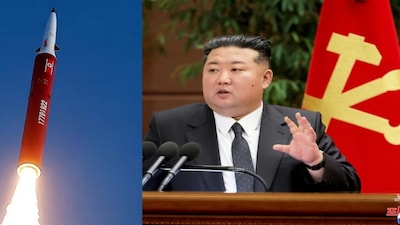
- •Kim Yo Jong stated the missile can change trajectory at low altitude with a "wave-like trajectory," but no technical details on AI use were provided.
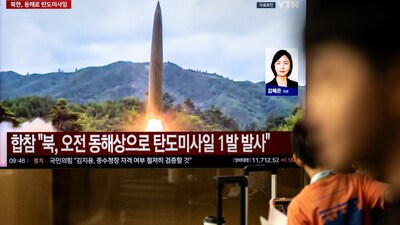
- •South Korea detected the ballistic missile launched from Wonsan, traveling over 700 kilometers towards the East Sea.
- •Experts caution against accepting Pyongyang's claims at face value, noting AI's growing role in military tech but questioning the accuracy of North Korea's specific assertions.
- •The missile test follows heightened tensions over a DMZ explosion and North Korea's rejection of South Korea's calls for dialogue.
Key Questions Answered
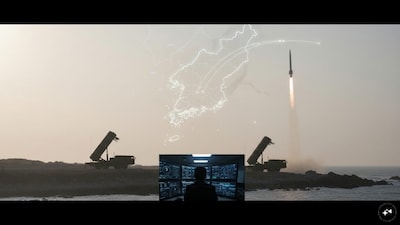
North Korea claimed that its newly tested intermediate-range strategic missile incorporates artificial intelligence to alter its flight path at low altitudes using a wave-like trajectory. Pyongyang stated that these features make the weapon difficult to track and intercept.
South Korea's military detected the missile launched from the Wonsan area, noting it travelled over 700 kilometres towards the East Sea. Seoul, Washington, and Tokyo closely shared information regarding the launch, while South Korea also demanded an apology from Pyongyang over a DMZ landmine explosion.
Experts like Hong Sung-pyo from the Korea Institute for Military Affairs cautioned against accepting Pyongyang's claims at face value. While acknowledging that AI is increasingly used in military tech to assist targeting and operations, experts noted it remains too early to verify the accuracy of North Korea's claims.