Stories
How Artificial Intelligence Has Radically Transformed the Battlefield in Gaza
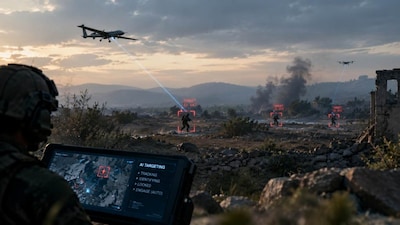
- •Israel has heavily utilized artificial intelligence systems like The Gospel, Lavender, and Where's Daddy to accelerate target generation and track individuals in the Gaza conflict.
- •Investigations reveal that the Lavender system was used to generate tens of thousands of potential militant targets with an estimated 90 percent accuracy rate, raising concerns over false positives.
- •Critics and intelligence sources point out that human review of AI recommendations was sometimes extremely brief, bringing the ethics of automated kill chains into question.
- •AI has expanded beyond targeting into surveillance infrastructure, including the deployment of facial-recognition technology at checkpoints in Gaza.
- •The extensive integration of machine learning in Gaza highlights critical debates regarding the speed versus accuracy of automated warfare and the diminishing human role in lethal decisions.
Key Questions Answered
Investigative reporting has identified three main AI systems used by the Israeli military in Gaza: "The Gospel" (or Habsora) for generating potential infrastructure and building targets, "Lavender" for identifying suspected militants, and "Where’s Daddy?" for tracking individuals to their homes.
Lavender was designed to identify potential Hamas or Palestinian Islamic Jihad operatives by analyzing patterns in digital communications and behavior, generating a list of roughly 37,000 individuals. An internal assessment put its accuracy at about 90 percent, meaning it produced a significant number of false identifications that could inadvertently flag civilians, relatives, or those with overlapping digital indicators.
The Israel Defense Forces has disputed certain characterisations of its AI usage, emphasizing that these tools do not independently decide whom to attack and are intended to assist analysts rather than replace human judgment. However, controversy remains over the lethal decision-making chain, particularly when human review of algorithm recommendations under intense operational pressure may last only seconds.