Stories
Dynamic and Surveillance Pricing Spark Consumer Fears and Legal Scrutiny
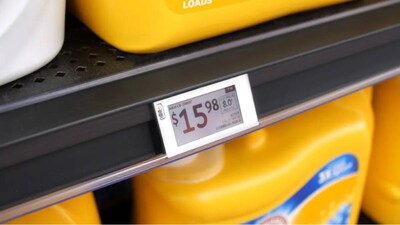
- •Retailers are replacing traditional paper labels with electronic shelf labels, enabling frequent price updates and fueling social media anxiety.
- •Reports reveal that companies lack transparency regarding the customer data they collect and how it is utilized for personalized pricing.
- •McDonald faces a class-action lawsuit alleging its AI-powered pricing system illegally coordinated menu prices across thousands of US restaurants.
- •The lawsuit claims McDonald utilized a machine-learning system to analyze transaction data and recommend prices, violating antitrust laws.
- •McDonald disputes the allegations, asserting that individual franchisees retain final authority and set their own menu prices based on local conditions.
Key Questions Answered
Dynamic and surveillance pricing involve retailers using high-tech methods and customer data to set or frequently change prices. Shoppers and social media users worry about these practices because they fuel fears that different people may be offered different prices for the exact same product, with companies often lacking transparency about their data usage.
Electronic shelf labels are replacing paper labels in grocery aisles and being installed across more stores in India, making it much easier for retailers to change prices frequently on a regular schedule, sometimes as often as weekly. However, their use does not necessarily mean that prices will always increase.
A nationwide class-action lawsuit filed in early October in the US District Court for the Northern District of Illinois alleges that McDonald's used a machine-learning pricing system to coordinate menu prices across thousands of US restaurants since at least 2019. The lawsuit claims this practice violated Section 1 of the Sherman Antitrust Act and resulted in customers paying more, while McDonald's disputes the allegations by stating that franchisees set their own prices.