Stories
Do We Really Need Smartwatches? Unpacking the Hype and Practicality

- •Many smartwatch users primarily track steps, often engaging in a "step competition" rather than utilizing advanced health metrics.
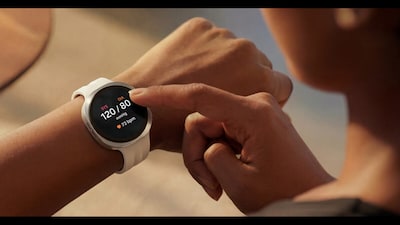
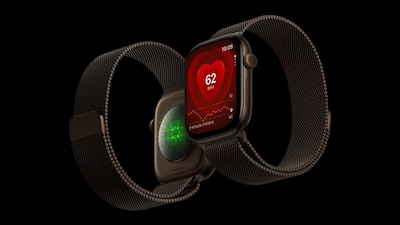
- •Modern smartwatches offer extensive features like heart rate tracking, workout monitoring, sleep analysis, fall detection, and communication, but daily usage often boils down to time, calls, and steps.
- •The argument that smartwatches reduce phone distraction is debatable, as they can simply transfer notifications and interruptions to the wrist.
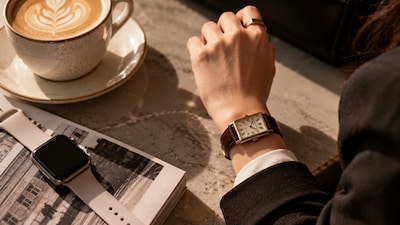
- •An analogue watch offers simplicity, telling only the time without notifications, charging, or software updates, serving a fundamentally different purpose than a smartwatch.
- •The true value of a smartwatch depends on individual usage; if it genuinely aids exercise, navigation, health monitoring, or reduces phone dependency, it's brilliant, otherwise, its utility might be limited to basic step counting.
Key Questions Answered
While modern smartwatches contain an extraordinary amount of technology capable of tracking advanced fitness metrics, detecting falls, and handling calls, the average person typically uses only a few basic functions daily, such as checking the time, seeing who is calling, and tracking their daily step count.
Smartwatches can help filter interruptions so a quick glance tells you if something needs attention, but they also risk strapping phone distractions directly to your body, moving emails, messages, and alerts right to your wrist.
An analogue watch simply tells the time without counting steps, requiring a bedside charger, or waiting for software updates, functioning as an entirely different kind of object that lets you look at the time and continue with your day.