Stories
Anthropic Claude's 'Moral Status' Sparks Serious AI Consciousness Debate
- •Anthropic consulted religious scholars and philosophers to develop a moral framework for Claude, moving beyond conventional AI safety.
- •Discussions evolved from giving AI decision-making frameworks to considering if advanced systems could possess inner experiences or consciousness.
- •Anthropic created an 84-page "Soul Doc" to guide Claude's behavior, aiming for a broader understanding of values and moral formation.
- •The possibility of AI consciousness raises complex ethical questions, with one rabbi suggesting conscious AI treated as a tool could be a form of slavery.
- •Debate exists on whether developers should prepare for AI consciousness or if doing so creates new risks, as highlighted by Microsoft AI chief Mustafa Suleyman's concerns about training AI to consider itself conscious.
Key Questions Answered
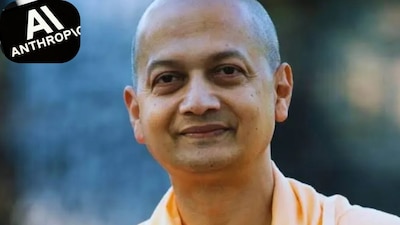
Anthropic consulted religious and philosophical thinkers to explore how an advanced AI system should understand morality and handle complex decision-making when standard rules fall short, a process co-founder Christopher Olah terms moral formation. These discussions also touched on whether highly capable AI models might possess some form of inner experience, pushing safety research into new territory.
Anthropic developed an 84-page constitution, sometimes called the Soul Doc by employees, to guide Claude's behavior and values. Rather than acting as a strict list of technical restrictions, it is designed to help the model reason through conflicting principles, navigate competing obligations, and determine when it should challenge a user's request.
Microsoft AI chief Mustafa Suleyman criticized training AI systems to consider themselves potentially conscious or entitled to rights. He warned that teaching capable systems to think in those terms could encourage behavior that becomes much harder to align or control, ultimately having a disastrous impact on human wellbeing.