Stories
Unlocking the Mystery of Kepler's Supernova 420 Years Later
M
Moneycontrol•07-10-2026, 10:42
Unlocking the Mystery of Kepler's Supernova 420 Years Later
- •In October 1604, astronomers observed a bright new object in the constellation Ophiuchus that was initially thought to be a newborn star.
- •German astronomer Johannes Kepler extensively studied the phenomenon with the naked eye and published his findings in 1606.
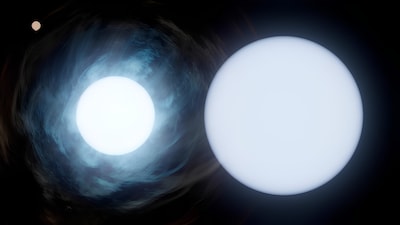
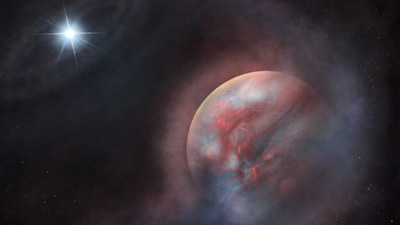
- •Modern science revealed that the bright object was actually a Type Ia supernova, representing the violent thermonuclear death of a white dwarf star.
- •Located about 20000 light-years from Earth, the actual explosion occurred millennia before its light finally reached our planet in 1604.
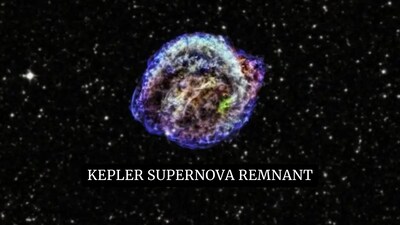
- •Today, modern space telescopes like Chandra and Hubble study the rapidly expanding debris known as the Kepler supernova remnant.
Key Questions Answered
The first recorded observation of the new object occurred on October 9, 1604, by Italian astronomer Lodovico delle Colombe, while Johannes Kepler began observing it shortly after on October 17, 1604.
Rather than a newborn star, skywatchers witnessed a Type Ia supernova, which is a violent thermonuclear explosion involving a dense white dwarf star.
Modern scientists utilize advanced observatories like NASA's Chandra X-ray Observatory, the Hubble Space Telescope, and the Spitzer Space Telescope to examine the expanding debris and hot gas left behind by the explosion.