Stories
Saudi Arabia Funds $51.6 Million Smithsonian Project to Save Critically Endangered Arabian Leopards
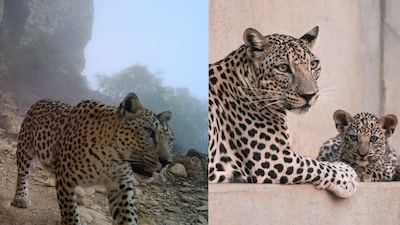
- •Fewer than 120 Arabian leopards are estimated to remain in the wild, with the last confirmed sighting in Saudi Arabia occurring in 1997.
- •Saudi Arabia's Royal Commission for AlUla is funding a $51.6 million project at the Smithsonian’s National Zoo to support breeding and research.
- •Groundbreaking for the new habitat took place on September 15, 2026, with the exhibit scheduled to open in winter 2029.
- •A breeding pair of leopards is expected to arrive from Saudi Arabia in autumn 2028, and any cubs born will eventually be transferred back to support reintroduction efforts.
- •The 15-year partnership aims to protect genetic diversity, restore ecosystems, and train Saudi conservation specialists for the long-term survival of the species.
Key Questions Answered
Saudi Arabia's Royal Commission for AlUla is funding a $51.6 million project at the Smithsonian's National Zoo to support the survival and conservation of the critically endangered Arabian leopard. The 15-year partnership aims to advance breeding, genetic management, research, and public education, with a breeding pair scheduled to arrive in autumn 2028 and any born cubs eventually transferred back to Saudi Arabia for long-term recovery efforts.
The Arabian leopard was formerly widespread across western highlands like the Asir and Hijaz mountain ranges, but hunting, habitat degradation, and declining prey led to a sharp contraction. The last confirmed record of a living Arabian leopard in the wild within Saudi Arabia dates back to 1997.
Saudi Arabia is working to restore habitats and rebuild prey populations across protected areas in AlUla to support large predators in the future. Their wider wildlife restoration programme includes producing over one million native plant seedlings and releasing more than 1,700 animals.