Stories
NASA Scientists Discover "Fire Amoeba" Thriving at Extreme 63°C, Redefining Life's Limits
M
Moneycontrol•23-09-2026, 12:01
NASA Scientists Discover "Fire Amoeba" Thriving at Extreme 63°C, Redefining Life's Limits
- •Scientists discovered Incendiamoeba cascadensis, a eukaryotic amoeba that reproduces at 63°C (145°F), setting a new upper-temperature record for complex life.
- •Found in a geothermal stream in California's Lassen Volcanic National Park, this "fire amoeba" actively undergoes cell division at temperatures previously thought impossible for eukaryotes.
- •The organism pushes the known eukaryotic heat limit from 60°C to 63°C for growth and can survive short periods at 70°C by forming a protective structure.
- •I. cascadensis exhibits adaptations like shape changes, a protective outer layer, and a genome with features for heat response, DNA repair, and protein stability.
- •This NASA-supported discovery challenges existing ideas about the limits of complex life and provides insights for astrobiologists searching for life in extreme environments beyond Earth.
Key Questions Answered
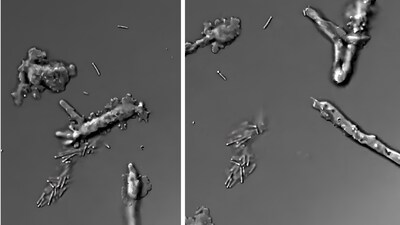
Scientists discovered a microscopic eukaryotic organism named Incendiamoeba cascadensis, meaning fire amoeba from the Cascades. The amoeba was found in a geothermal stream within Lassen Volcanic National Park in California.
The amoeba can reproduce at 63°C (145°F), setting a new upper-temperature record for known eukaryotic life. It can also remain active up to about 64°C while searching for food and survive short periods of heat up to 70°C by forming a protective structure.
The amoeba survives extreme heat through several adaptations, including the ability to change its shape, form a protective outer layer, and utilize genome features associated with heat response, DNA repair, and protein stability.