Stories
Why Do You Have To Click I Am Not A Robot On Websites? CAPTCHA Explained
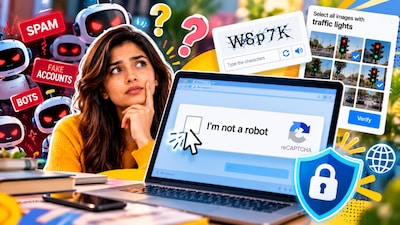
- •CAPTCHA stands for Completely Automated Public Turing test to tell Computers and Humans Apart and protects websites from automated abuse.
- •It prevents malicious bots from creating fake accounts, flooding websites with spam, manipulating voting systems, or launching credential stuffing attacks.
- •Traditional CAPTCHAs use distorted characters or image-based tests to distinguish genuine human users from automated programmes.
- •Frequent verification prompts can be triggered by unusual traffic, VPN usage, shared IP addresses, or browser settings that appear suspicious to security systems.
- •While helpful against automated threats, CAPTCHA is most effective when combined with other security measures like multi-factor authentication and rate limiting.
Key Questions Answered
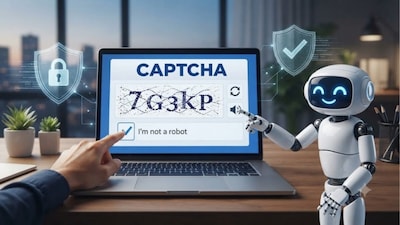
CAPTCHA stands for Completely Automated Public Turing test to tell Computers and Humans Apart. It is a security mechanism designed to help websites determine whether a visitor is a real human user or a malicious automated software programme known as a bot.
Websites use CAPTCHA to protect online services from automated abuse, such as fake account creation, spam comments, voting manipulation, and large-scale automated login attempts using stolen passwords. These checks help reduce risks, though they are typically combined with other defenses like multi-factor authentication.
Repeated CAPTCHA prompts can be triggered by unusual traffic from an internet connection, making too many requests in a short time frame, strict browser settings, or using a VPN and sharing an IP address with numerous other users.