Stories
Why Construction Workers Soak Bricks in Water Before Building
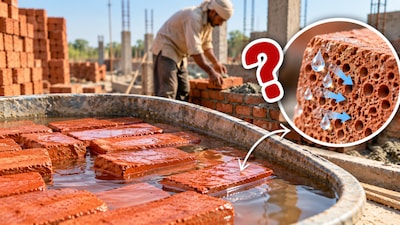
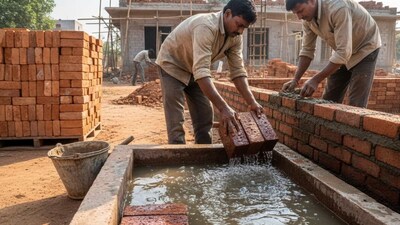
- •Bricks are soaked in water prior to construction to ensure a strong bond between the bricks and the mortar.
- •Dry bricks can quickly absorb moisture from wet cement mortar, interfering with the cement hydration process and weakening the bond.
- •Pre-wetting bricks reduces their initial rate of water absorption, allowing the mortar to retain the moisture needed to harden properly.
- •The ideal soaking duration depends on the brick type, quality, and porosity, as different varieties absorb water at different rates.
- •Masons and construction professionals must evaluate brick properties and follow building specifications rather than applying a single soaking method to all bricks.
Key Questions Answered
Soaking bricks reduces their initial rate of water absorption so they do not drain moisture from the wet cement mortar too quickly. This preserves the necessary water for cement hydration, ensuring a strong and durable bond between the brick and the mortar.
A dry brick will rapidly draw moisture out of the cement mortar before it has enough time to set properly. This interferes with the chemical hydration process of the cement, resulting in a weaker bond and potentially reducing the structural durability of the masonry wall.
No, there is no single soaking time that applies to all bricks. The duration depends on the brick type, quality, and porosity, and masons must follow applicable building specifications rather than assuming every brick requires identical treatment.