Stories
Unlocking the Mystery: Why Your Tape Measure Hook Moves

N
News18•04-10-2026, 13:30
Unlocking the Mystery: Why Your Tape Measure Hook Moves
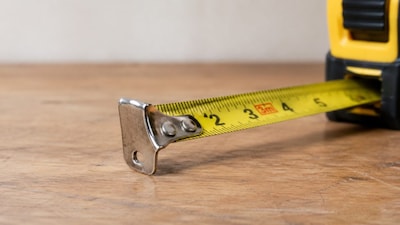
- •The loose metal hook on a tape measure is an intentional design feature, not a defect, allowing it to compensate for its own thickness.
- •This movement ensures accurate measurements whether you are measuring from an outside edge or an inside surface.
- •When measuring an outside length, the hook pulls outward; for an inside distance, it pushes inward, with the hook's movement automatically adjusting.
- •The sliding action helps maintain measurement accuracy by allowing the zero point to remain consistent, crucial for professionals like carpenters and engineers.
- •Small rivets attach the hook, providing controlled movement without compromising its security, ensuring flexibility and precision.
Key Questions Answered
The metal hook is designed to slide slightly back and forth to compensate for its own thickness, which allows the measurement to begin from the correct point.
When measuring the outside of an object, the hook catches an edge and pulls outward, whereas when measuring an inside dimension, it is pushed against the surface. The hook's movement automatically adjusts to these two different positions.
No, the small rivets holding the metal hook are intentionally designed to allow a controlled amount of movement while keeping the hook securely attached. This looseness is a built-in adjustment mechanism rather than a defect.